Niigata's Prefectural Stone
Jade
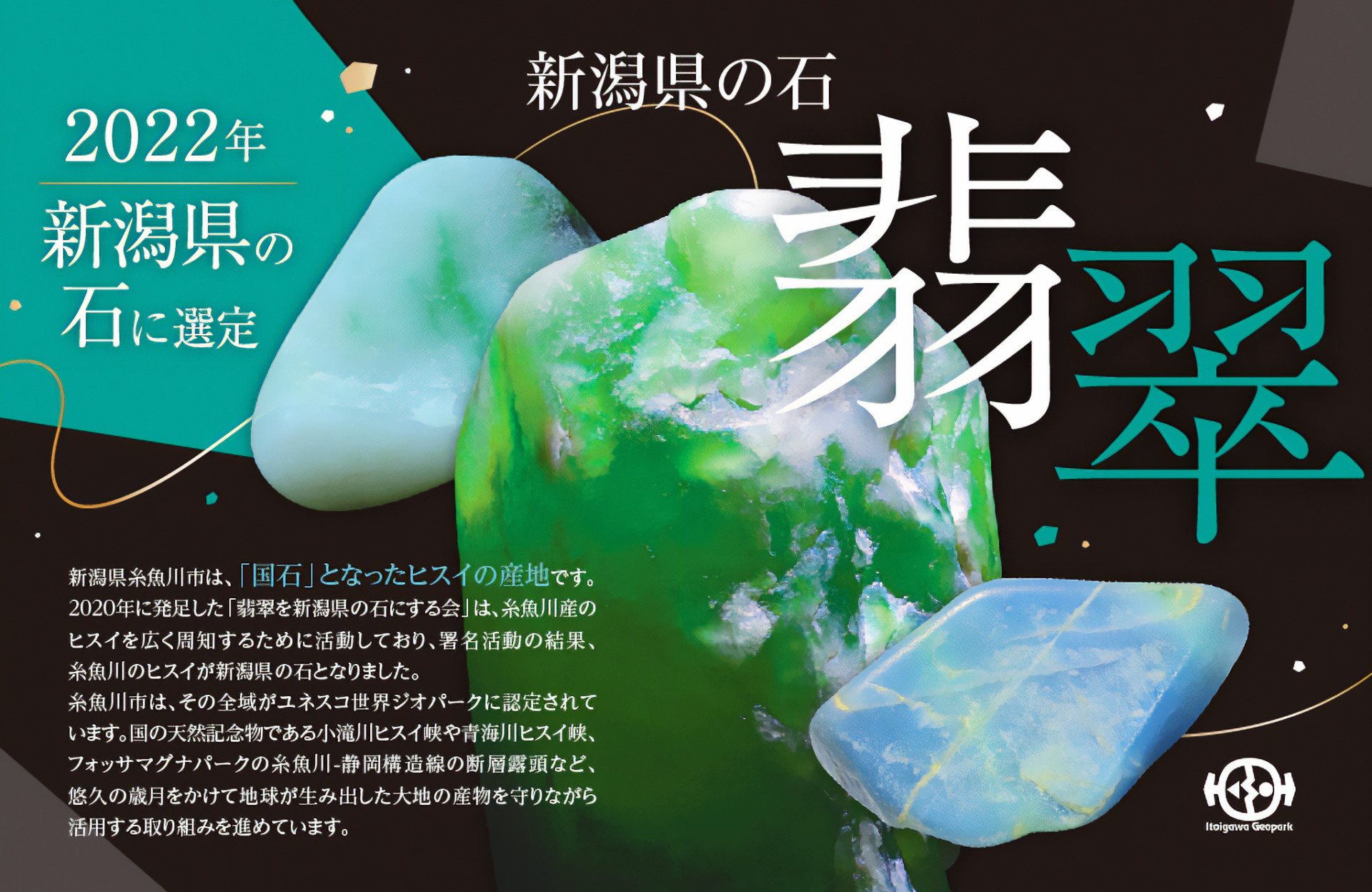
What is Jade?
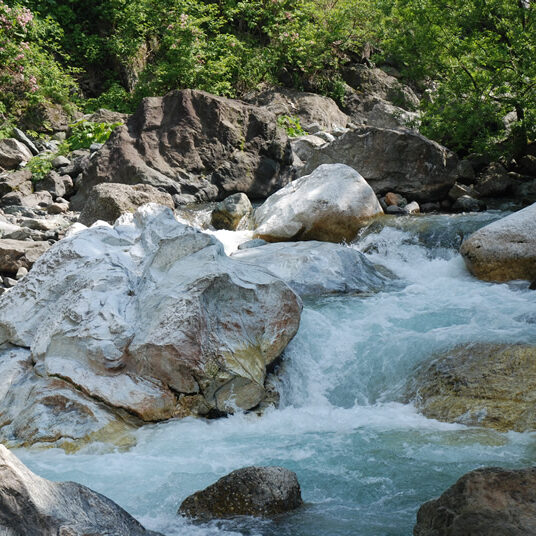
The World's
Oldest Jadeite
Itoigawa's jade formed over 520 million years ago and is thought to be the among the oldest jadeite jade in the world. In fact, jadeite is one of the oldest minerals found in Itoigawa Geopark.
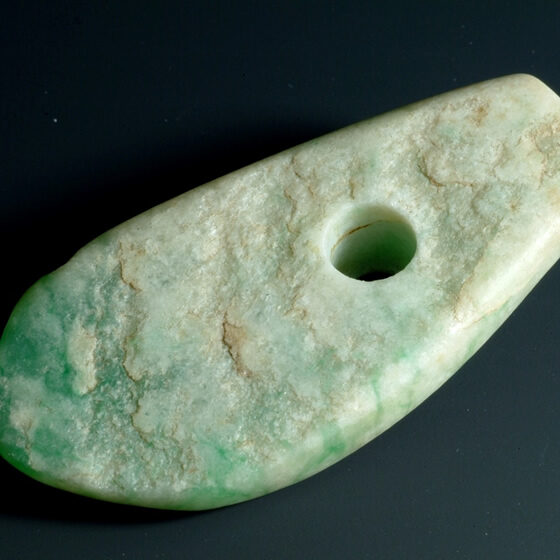
Birthplace of
Jade Culture
Jade was first used by the people of Itoigawa over 6,500 years ago, with the first jade beads appearing nearly 5,500 years ago. This makes Itoigawa's jade culture even older than that of Mesoamerica and possibly the oldest in the world!
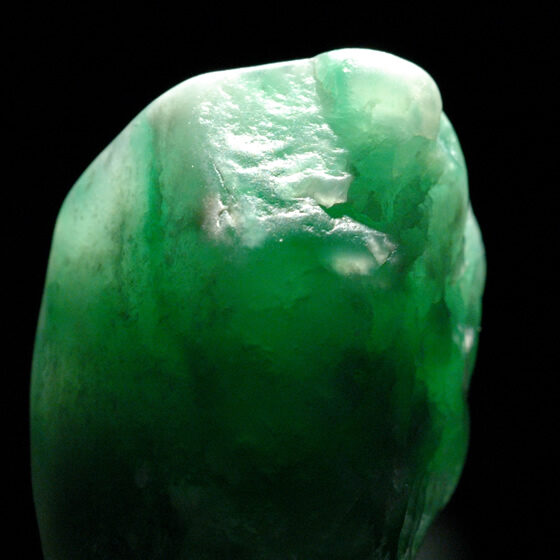
Translucent and
Beautiful
There are other jadeite deposits in Japan, but not only are Itoigawa's deposits the largest, but they are also the only deposits where significant amounts of gemstone quality jade has been found.
In fact, Itoigawa's jadeite deposits are the only gemstone quality jadeite deposits anywhere in Northeast Asia!
The beauty of Itoigawa's jade has been celebrated both locally and across the Japanese islands, even appearing in ancient poetry and mythological texts.
Discovery of
New Minerals
Itoigawa's jade is not just a pretty face, it's important academically as well!
The specific conditions deep underground which produced jadeite also produced a variety of other rare minerals.
Many of the minerals newly discovered in Itoigawa―such as itoigawaite, rengeite and matsubaraite―were discovered in Itoigawa's jade.
Japan's #1 Pebble Town
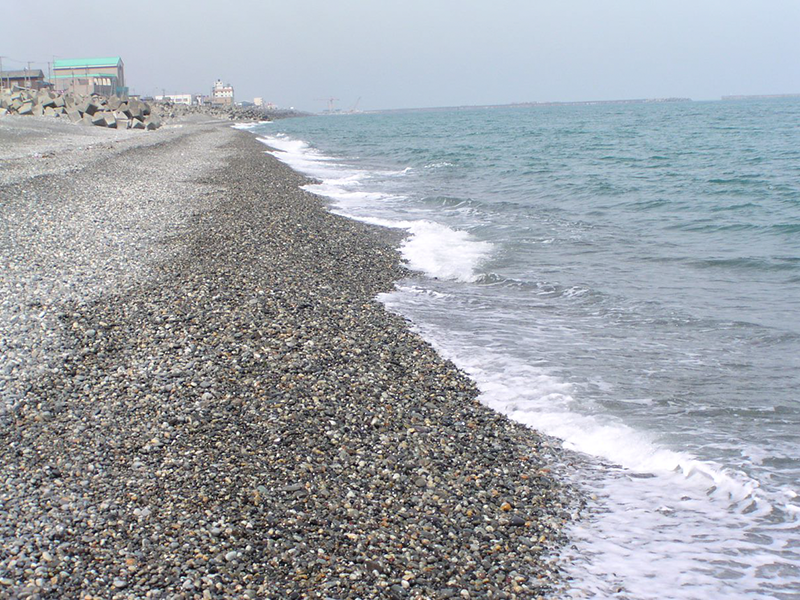
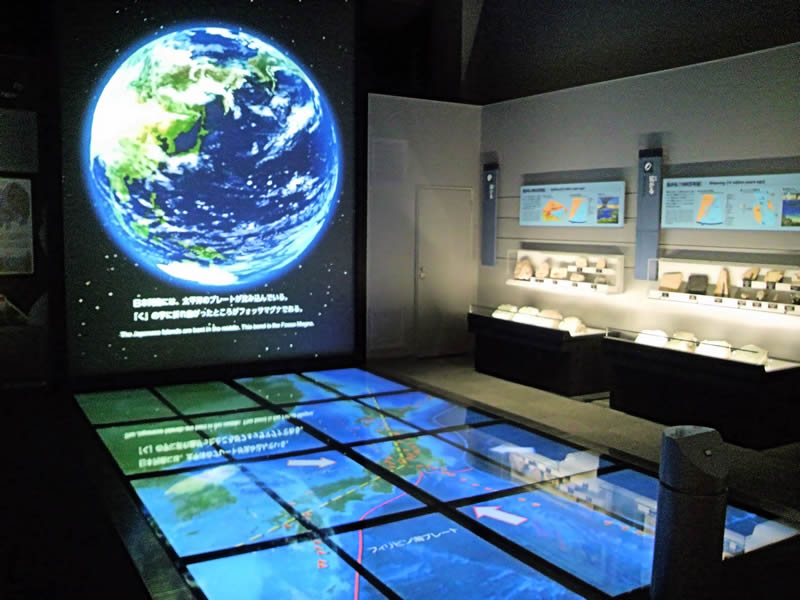
Sitting on the border of the Fossa Magna where two continental plates meet has blessed Itoigawa with a staggering variety of stones. This is why we like to call ourselves "Japan's #1 Pebble Town."
Many of the beaches in Itoigawa are covered in pebbles of all shapes, colors and origins: igneous rocks which formed from magma or volcanic eruptions; sedimentary rocks which formed at the bottom of ancient seas; and metamorphic rocks which formed in special conditions deep within the Earth.
With a little bit of luck, you might even find pebbles of jade!
Note: While rockpicking along the beaches is a popular activity for locals and visitors alike, it's important to remember the rules:
- Do not pick rocks larger than palm-sized.
- Do not pick large quantities of rocks.
- Do not pick rocks at protected sites or along rivers.
- Rockpicking for commercial use is prohibited without permission.
- If you no longer want the rocks you have picked, return them to the beach where they were found.
The Colors of Jade
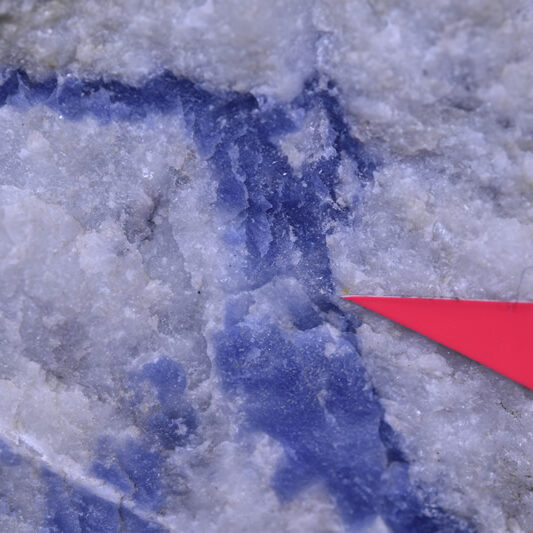
While green is the most famous, Itoigawa's jade can be found in a variety of colors including white, lavender, blue and black! In other regions it is even possible to find red or orange jade. Jade is made up of a translucent white mineral called jadeite which contains silicon, aluminum and sodium. Impurities such as iron, titanium or chromium give jade its beautiful colors.
 White
White Lavender
 Blue
Blue Black
Black Orange
 Green
GreenLearn More About Jade!


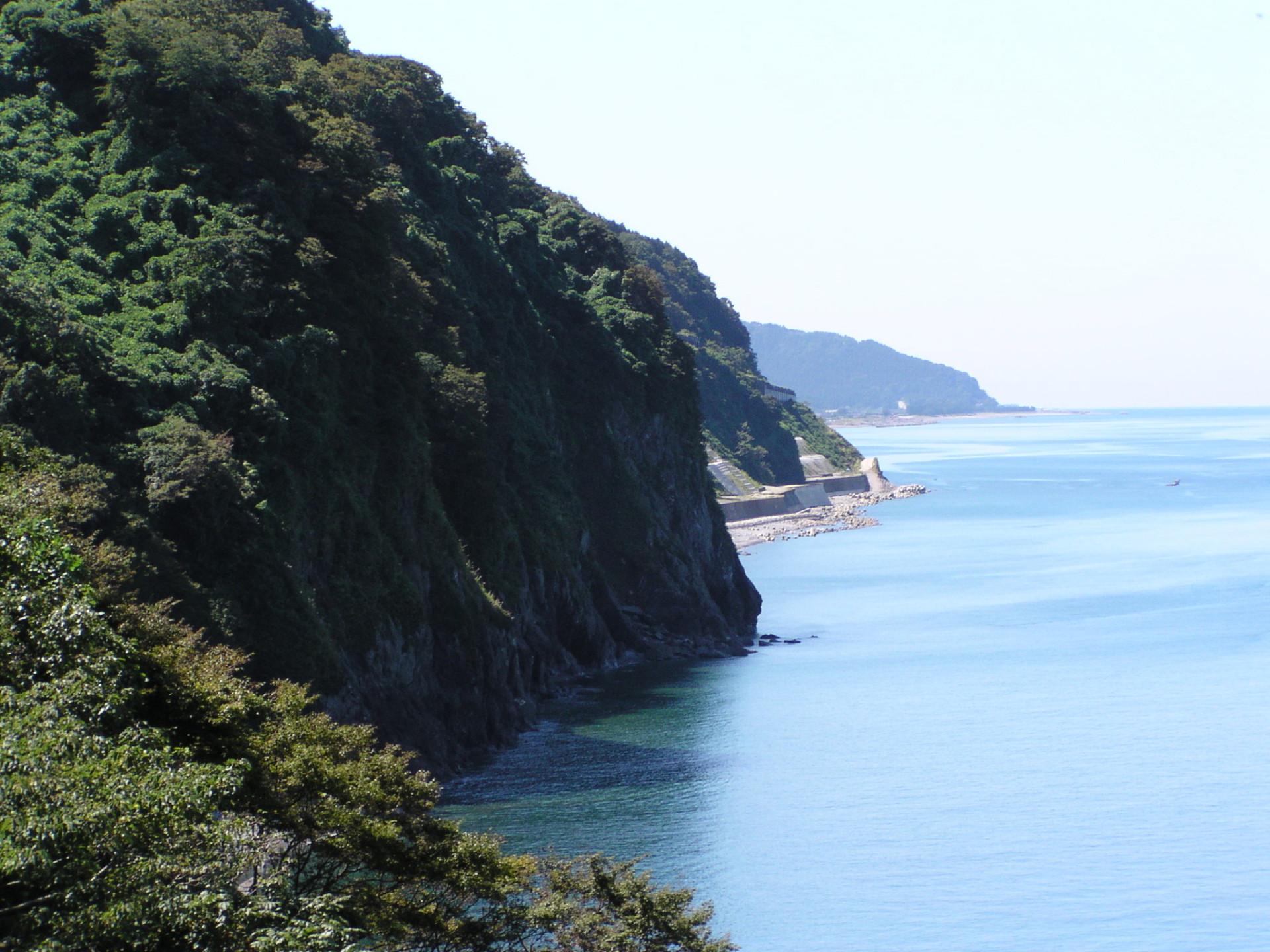
Best Places for Jadespotting!
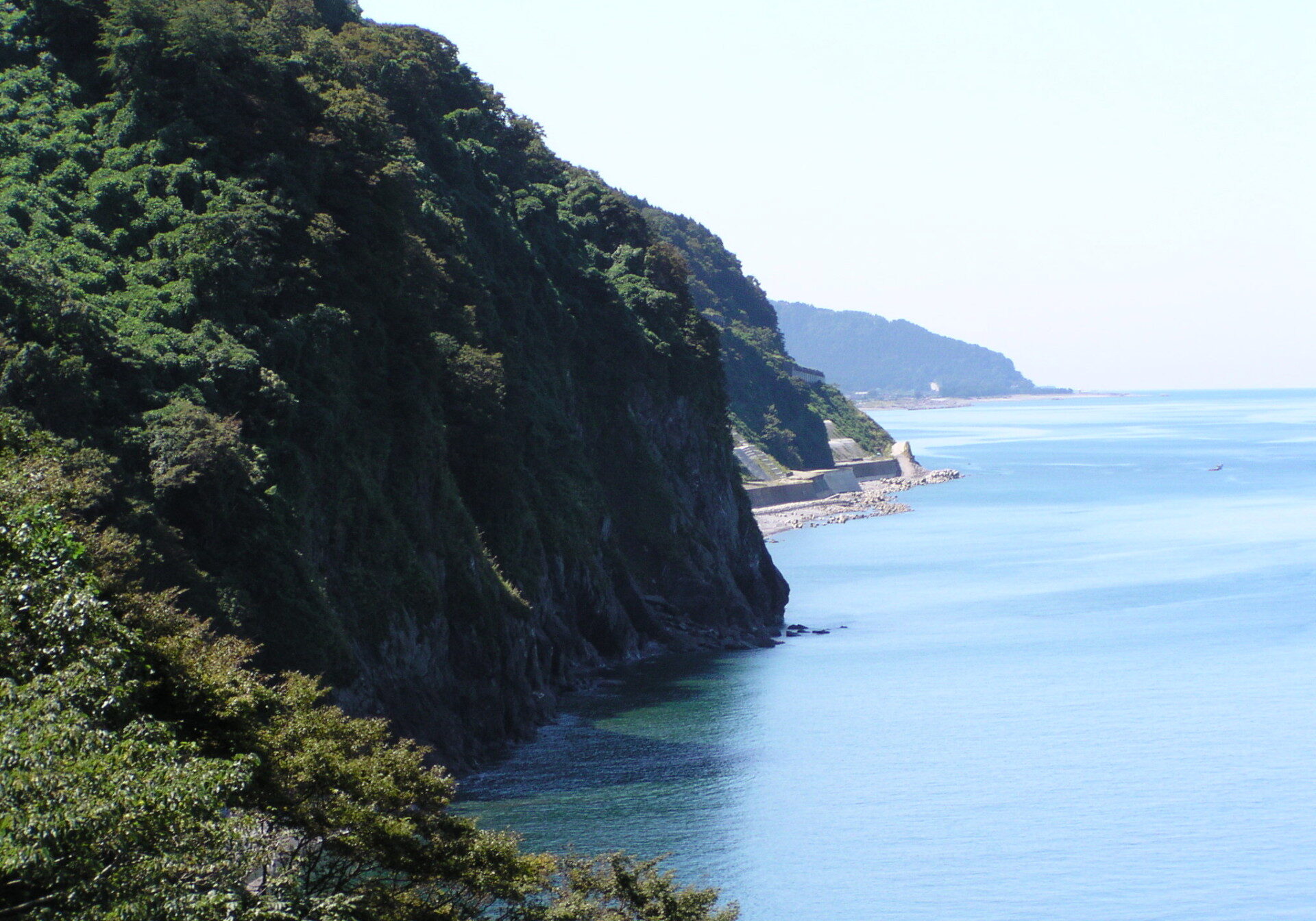
Oyashirazu Coast
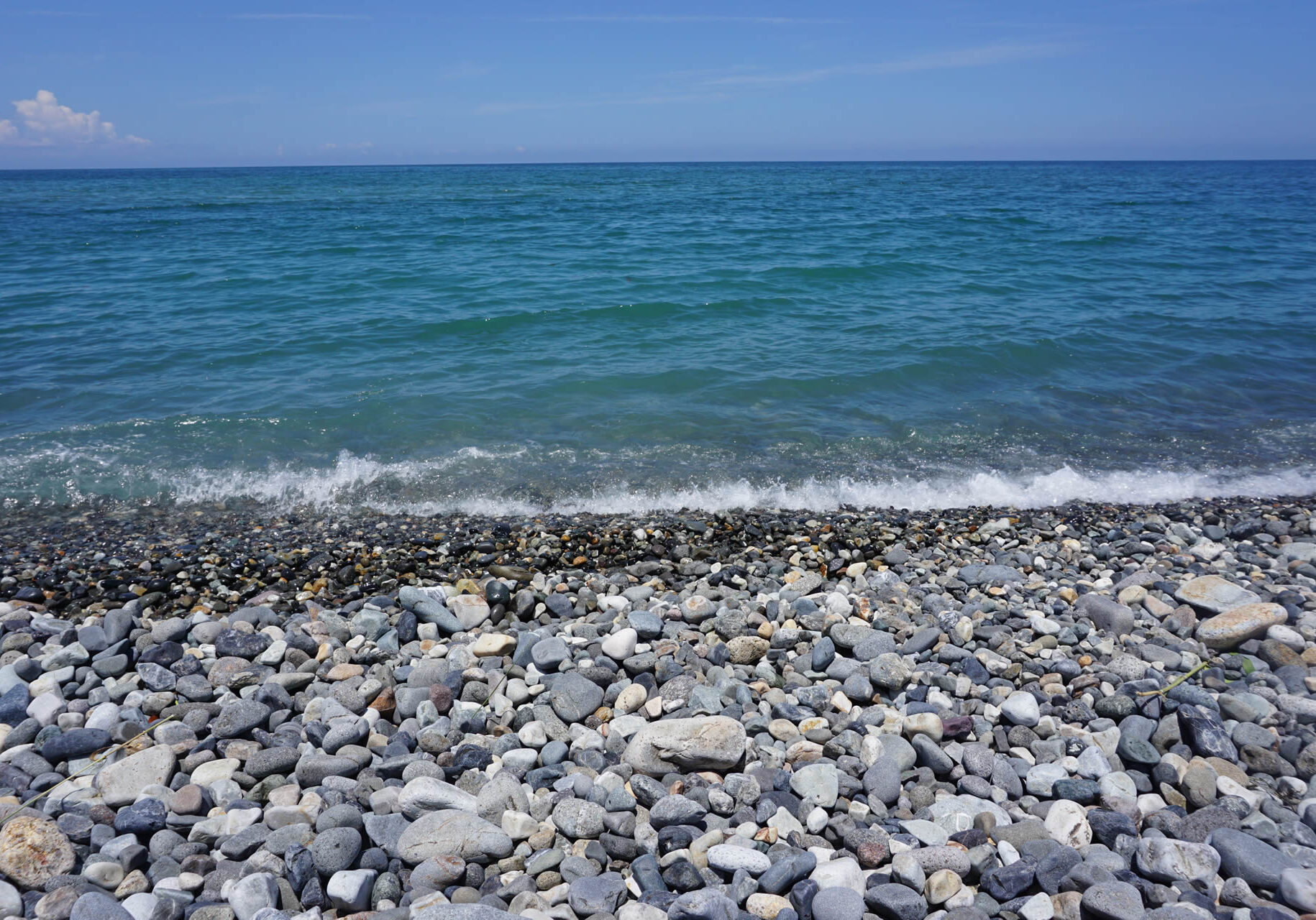
Lavender Beach & Suzawa Coast
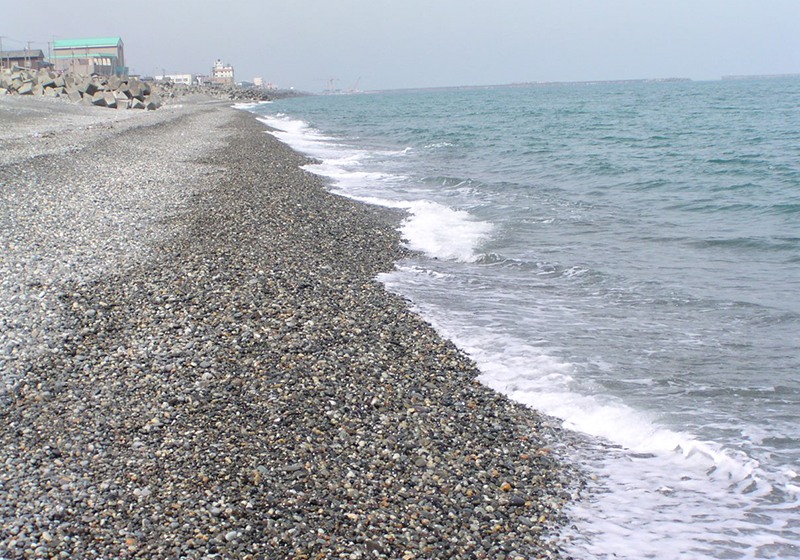
Itoigawa Jade Coast
Jade Novelties and Goods
To promote jade, we've developed a variety of novelty goods, posters and publications. Find them for sale at the Fossa Magna Museum Shop or Itoigawa City Tourism Information Counter.
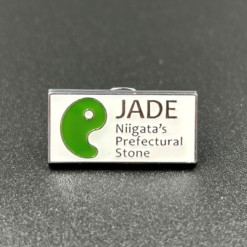
Niigata Prefectural Stone Commemorative Pin
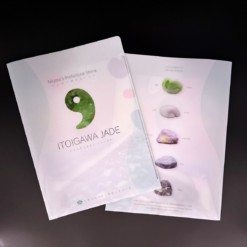
Niigata Prefectural Stone Commemorative File Folder
Books, Posters & Pamphlets
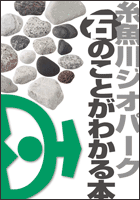
All About Itoigawa Geopark's Stones (Japanese Language)
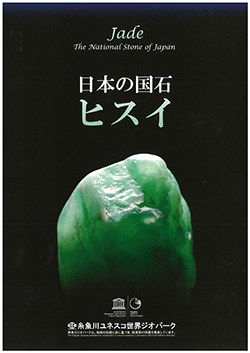
Japan's National Stone: Jade
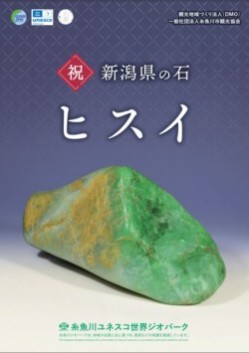
Niigata's Prefectural Stone: Jade