Kotakigawa Jade Gorge Area
Jade Boulders and the Great Rock Face of Mt. Myojo
In 1939, the Kotakigawa Jade Gorge was academically confirmed the first natural source of jade in Japan. This had a profound effect on the fields of archaeology and geology. It was at this point when scientists confirmed that jade artifacts found in archaeological sites all over Japan originated not from the mainland as previously thought but in Itoigawa, which would from that point on be called "The Birthplace of Jade."
The giant stone face of Mt. Myojo that towers 400 meters over the gorge was formed about 300 million years ago from petrified coral reef—many coral and sea lily fossils can be found within its rock. During fair weather, this wall is a popular challenge for rock climbers. Below Mt. Myojo, one can see large deposits of jade washed by the clear waters of the Kotakigawa River. The colors of changing seasonal foliage paint a beautiful scene on the white walls of Mt. Myojo, making the view here breathtakingly beautiful.
Nearby Takanami-no-ike Pond, produced by a landslide from Mt. Akahageyama, is said by locals to be the home of a giant fish they've named 'Namitaro.' Behind the pond are the remains of the Kotaki Coal Mine, which operated during the first half of the 20th century. The pond itself is a very popular space for camping, walking, picnicking, or just relaxing with family and friends. The nearby Jade Gorge Fishing Park also offers the opportunity to fish for common mountain stream fish like char and rainbow trout.
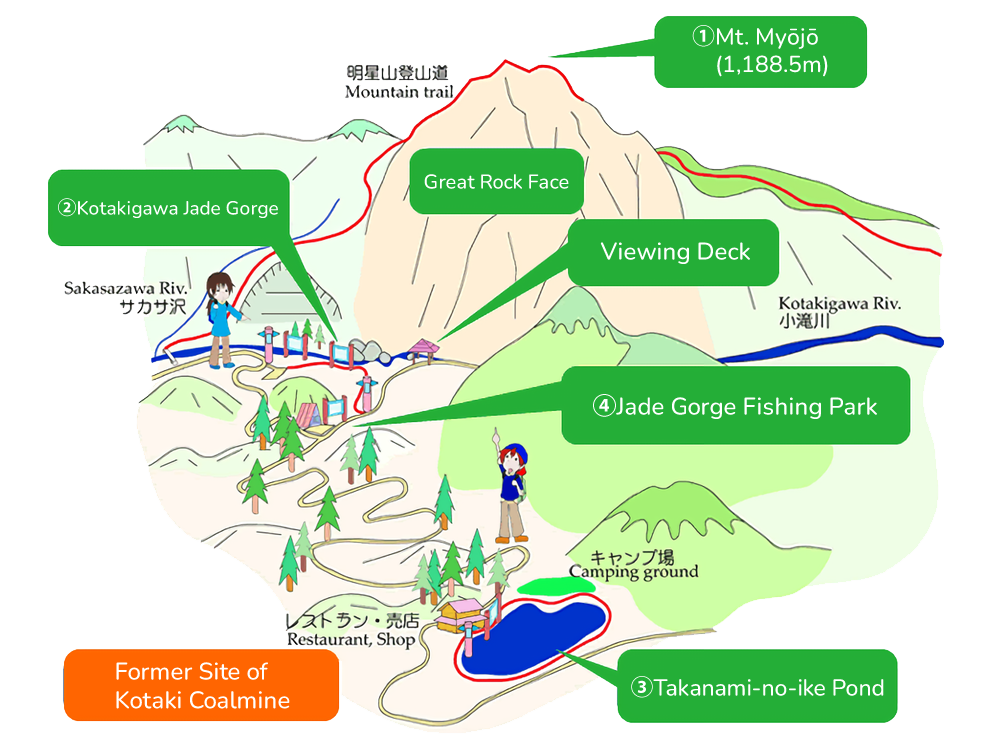
1Mt. Myōjō(1,188.5m)
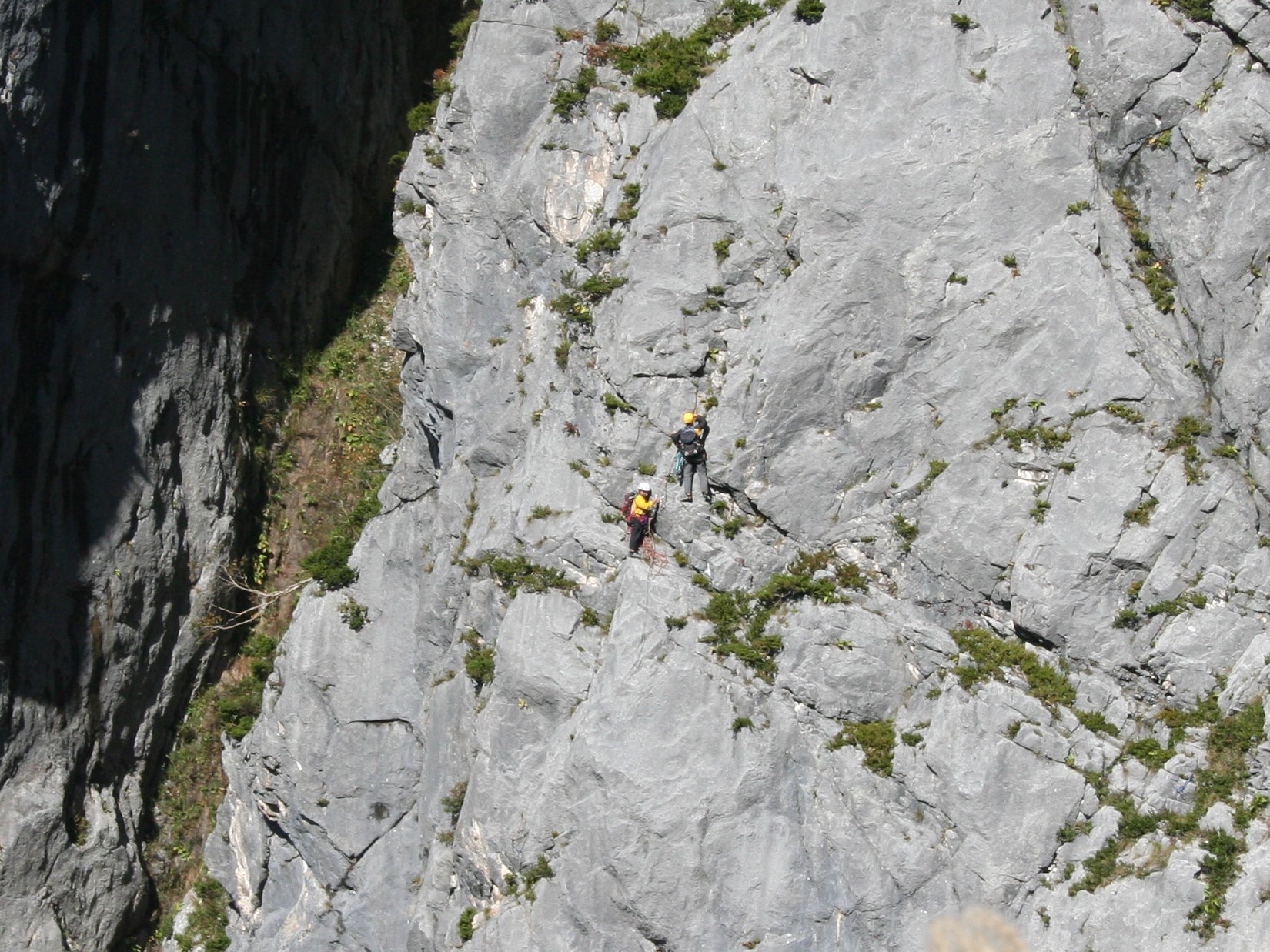
Climbers challenge Mt. Myōjō’s rock face
Mt. Myojo, with its massive face of white limestone, was formed from coral reefs which date back at least 300 million years and so it contains a wide variety of marine fossils. The mountain was originally located south of here, but tectonic movement carried it to its current home. The peak, located behind the rock wall, is at an elevation of 1188m. The rock wall itself is about 450m high and is extremely popular with rock climbers due to its size and easy access.
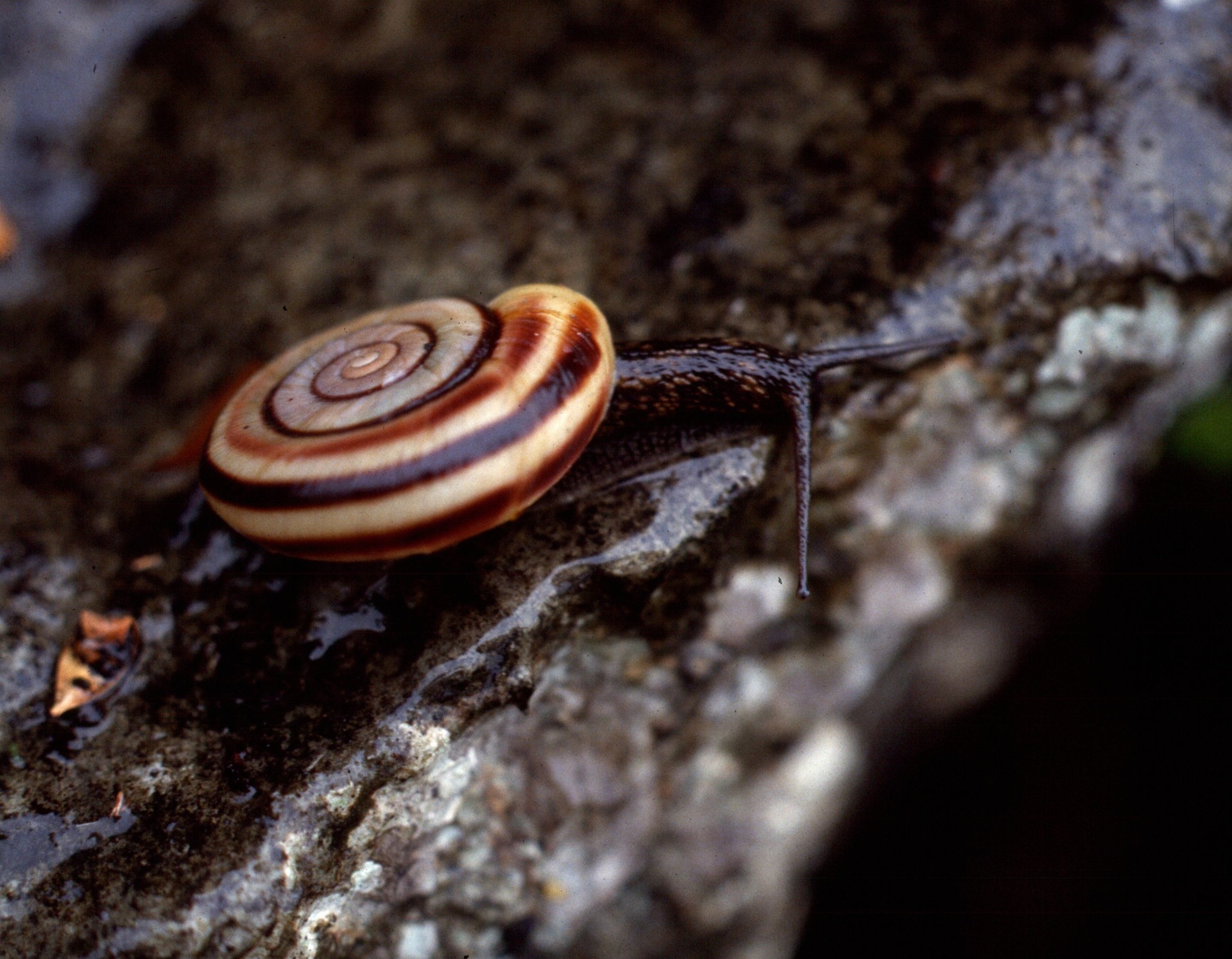
Unique Life on Mt. Myojo
A new species of snail, , was discovered living only on Mt. Myōjō in 1971. It is thriving, but endangered due to its limited range.
The mountain is also home to the ‘Itoigawa Shimpaku,’a now endangered species of juniper popular in bonsai.
2Kotakigawa Jade Gorge
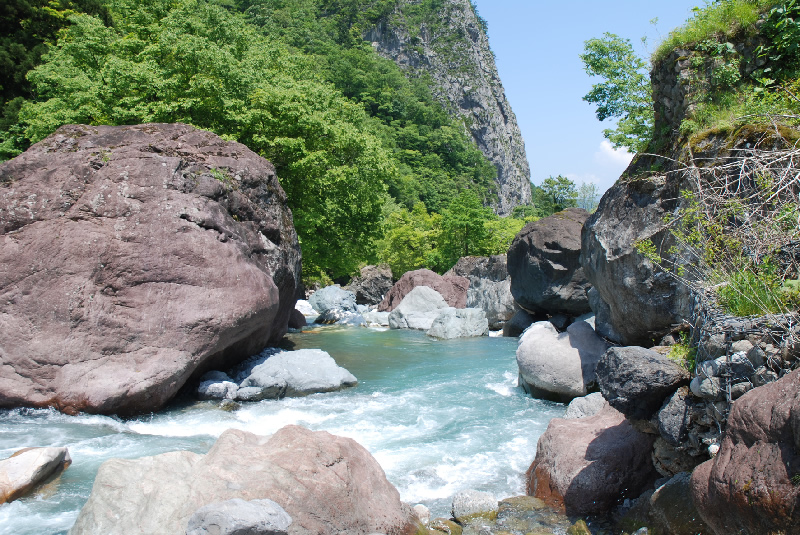
The Kotakigawa River winds through this gorge along the foot of Mt. Myojo and, as its name suggests, it is home to large jade deposits.
Until fairly recently, jade artifacts excavated in Japan had been assumed to be imported from trade links with mainland Asia. However, discovery of the large jade deposits here in 1938, coupled with the discovery of large jadeworking villages throughout the Itoigawa region, completely overturned this theory. Now evidence suggests that most if not all of these jade artifacts were produced here and distributed across the country.
The Kotakigawa Jade Gorge has been designated as a National Natural Monument and as such the removal or damage of any plants, animals, or minerals from the area is strictly prohibited. If you would like to collect mineral specimens, we recommend hunting for pebbles along one of Itoigawa's many coastal sites.
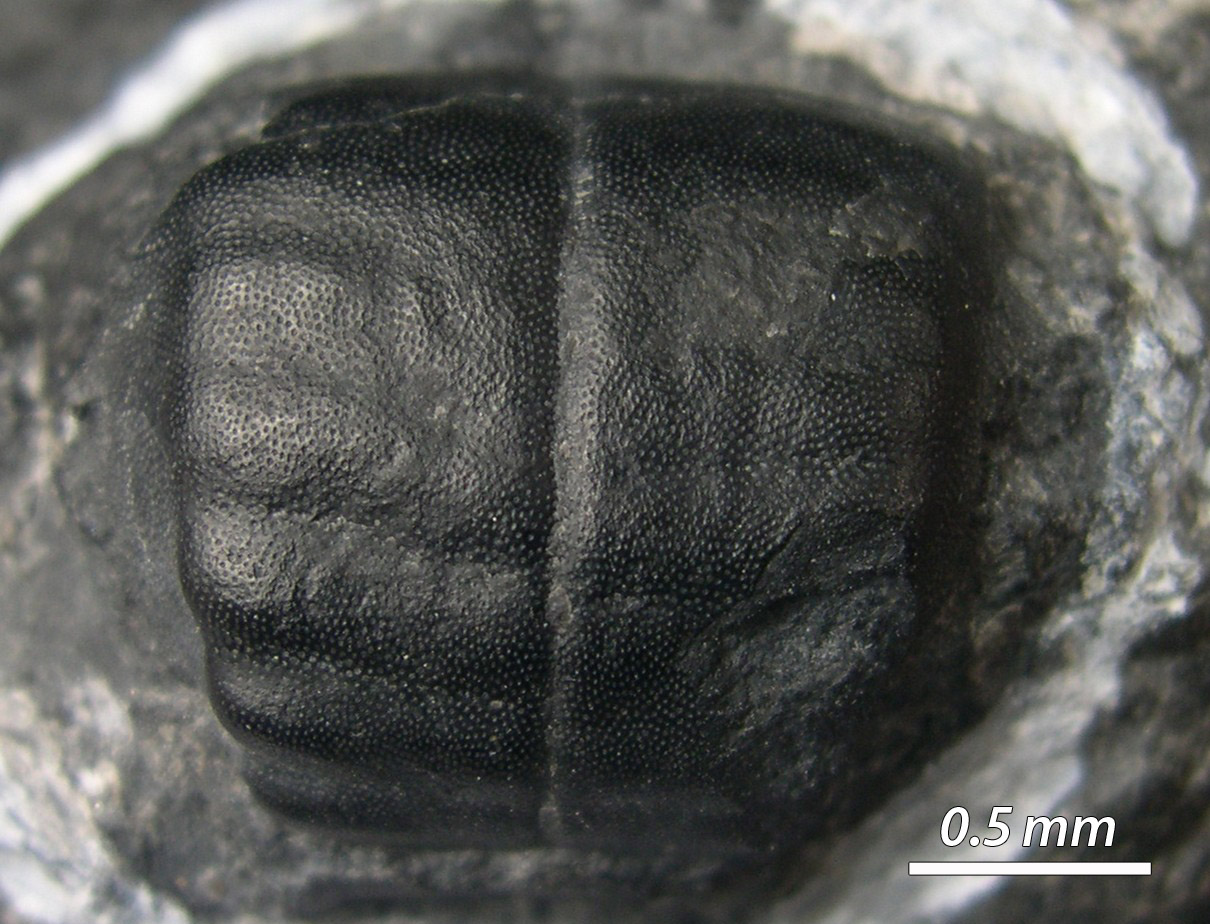
Fossils in the Tsuchikurazawa Stream
The black limestone found in the Tsuchikurazawa formed over 300 million years ago and is rich in a variety of fossils. In 2004, some of Japan's oldest shark teeth fossils were found here.
3Takanami-no-ike Pond
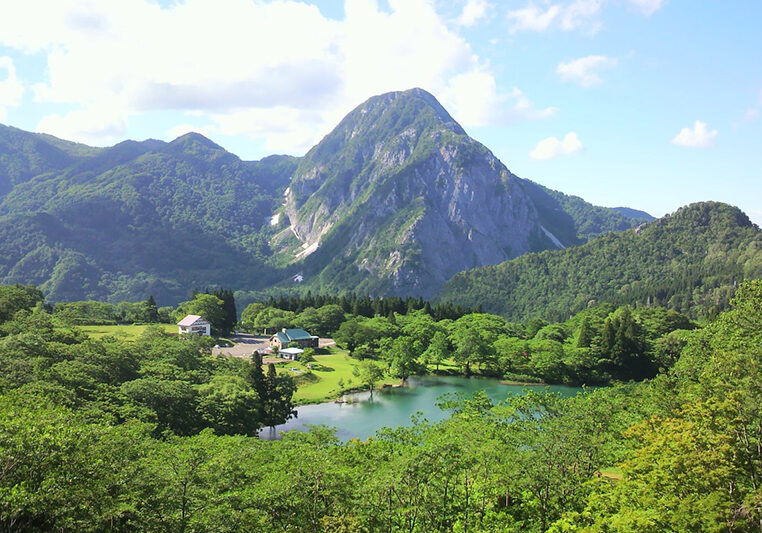
This 540 m high pond was formed by a landslide off nearby Mt. Akahage. Today it is a popular outdoor leisure area featuring hiking trails, a campground, restaurant, gift shop, and a small museum of the local history.
4Jade Gorge Fishing Park
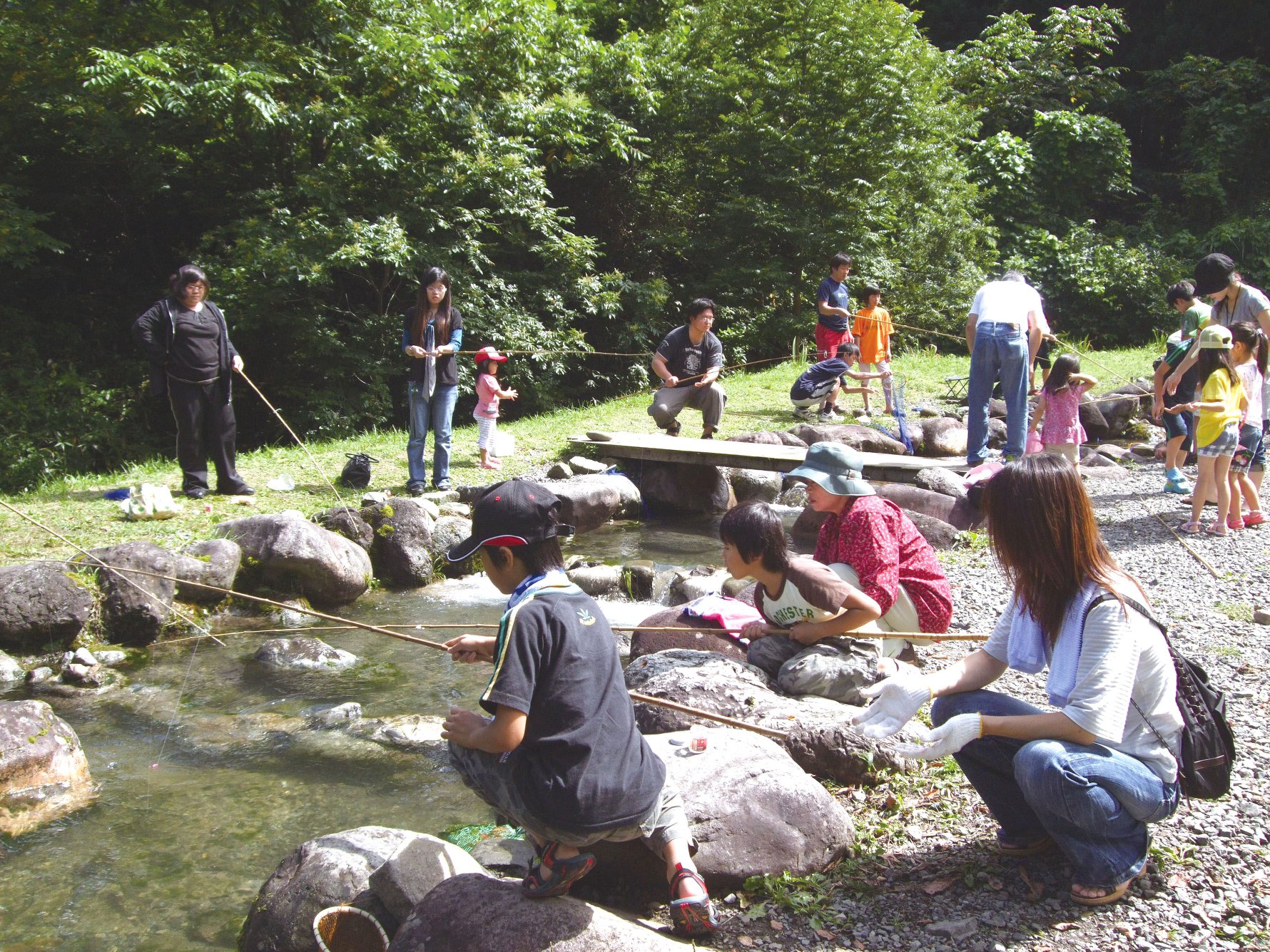
The Jade Gorge Fishing Park is an artificial stream created to allow visitors to enjoy mountain stream fishing in a safe and sustainable way, without disrupting the local environment. Try your hand at catching rainbow trout and mountain char, then clean and grill your fish at the adjoining barbecue shelter!
5Former Site of Kotaki Coalmine
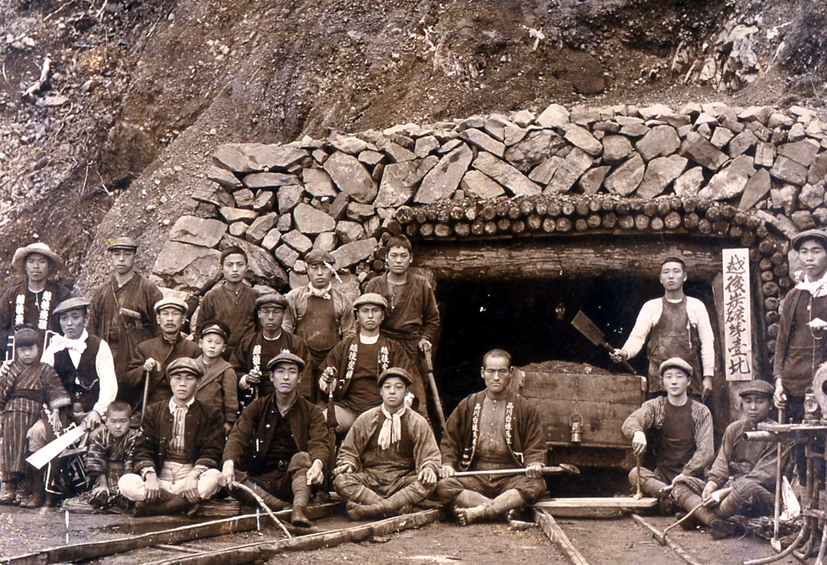
Near Takanami-no-ike Pond, a coal mine operated from early 1900 until 1951. At the peak of its activity from the 1920s until the late 1940s, more than 180 miners were employed here. Some remains of the mine are still visible today.
Area Access & Closures
【Oka-Kuratani Forest Road】Closed until October 18th for repairs

