Sharing and Protecting
Our Precious Wildlife!

Our Responsibility as a Geopark
Geoparks are tasked with protecting not only their landscapes and geological heritage, but also the area's intrinsically linked natural, cultural and intangible heritage. Without the precious ecosystems and rich traditions nurtured by the land, our geological heritage loses meaning.
Itoigawa Geopark tells the story of the formation of the Japanese Island Arc. This story is told through geological formations such as the Fossa Magna and Itoigawa-Shizuoka Tectonic and through minerals like jade and limestone. Awe-inspiring as it is, without the story of the plants, animals and human societies that have been enriched by that land, it is incomplete.
Itoigawa's rugged and varied landscape is home to an outstanding variety of organisms. In Itoigawa Geopark, we celebrate this biodiversity and work to preserve it as an essential element of our shared heritage.
Help Put a
Stop to Poaching!
Driven by social media and information sharing, the number of wildlife collectors in Geoparks is increasing. Of particular concern is the increase in collection for sale on auction sites.
Itoigawa Geopark is cooperating with local authorities to protect endangered plants and animals from illegal collection, but we cannot do it alone. This is why we ask all of our visitors to understand the importance of protecting our natural environment and understand our Policy on the Protection and Conservation of Natural Resources.
Note: For your safety, please do not directly confront anyone you suspect of poaching. If you suspect any illegal activity, contact the police.
The plants, animals and unusual geological formations and minerals which call Itoigawa Geopark home face threats to their continued existence as a result of human activity.
To address this serious issue, we have compiled a conservation list based on the following criteria:
- Rarity and Decline: Species or geological/mineral specimens that are extremely rare or are experiencing a significant decline in population or occurrence.
- Habitat Loss: Vital habitats or primary geological sites within the Geopark that are on the verge of disappearing.
- Environmental Degradation: Areas where the living environment for wildlife or the physical state of geological sites and landscapes are clearly deteriorating.
- Targeted Collection: Items that are frequently targeted for capture or collection due to their high commercial or scarcity value.
Note: This list is subject to periodic updates. If you encounter any species or geological features not currently listed that you believe may be at risk, please report your findings to the Secretariat below
117 species
6 species
2 species
57 species
 Gastropods
16 species
6 species
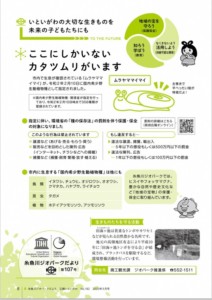
Geopark conservation activities for therare land snail Euhadra murayamai were featured in the Itoigawa City Newsletter.
Mission: Tomigaike Pond
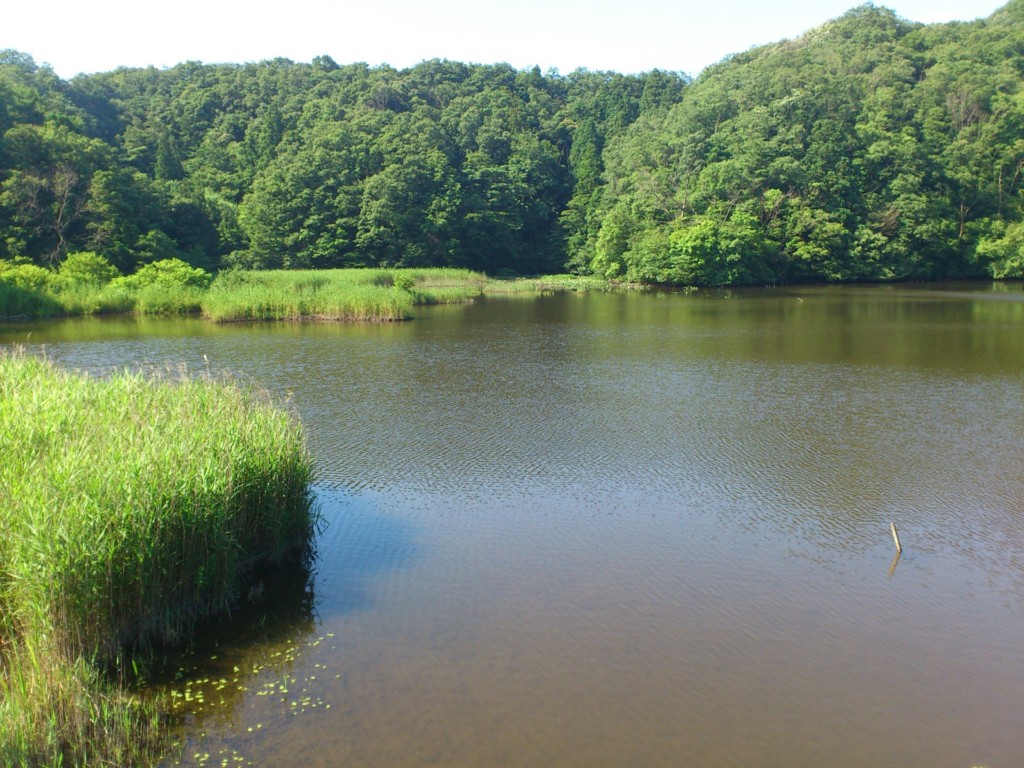
Since 2011, Itoigawa City has been working in close partnership with the local Tōmigaike Dragonfly Conservation Society and academic experts to protect the natural environment of Tōmigaike Pond.
In alignment with our commitment to natural resource conservation, the Itoigawa Geopark Council collaborated with the city between September and October 2020 to conduct an invasive species removal initiative.
The results of this effort were significant:
-
17 native species (220 individuals) were successfully identified and protected.
-
8 invasive species (428 individuals) were removed to restore ecological balance.
For further information, please refer to the project report below.