Natural Disasters & Resilience Education
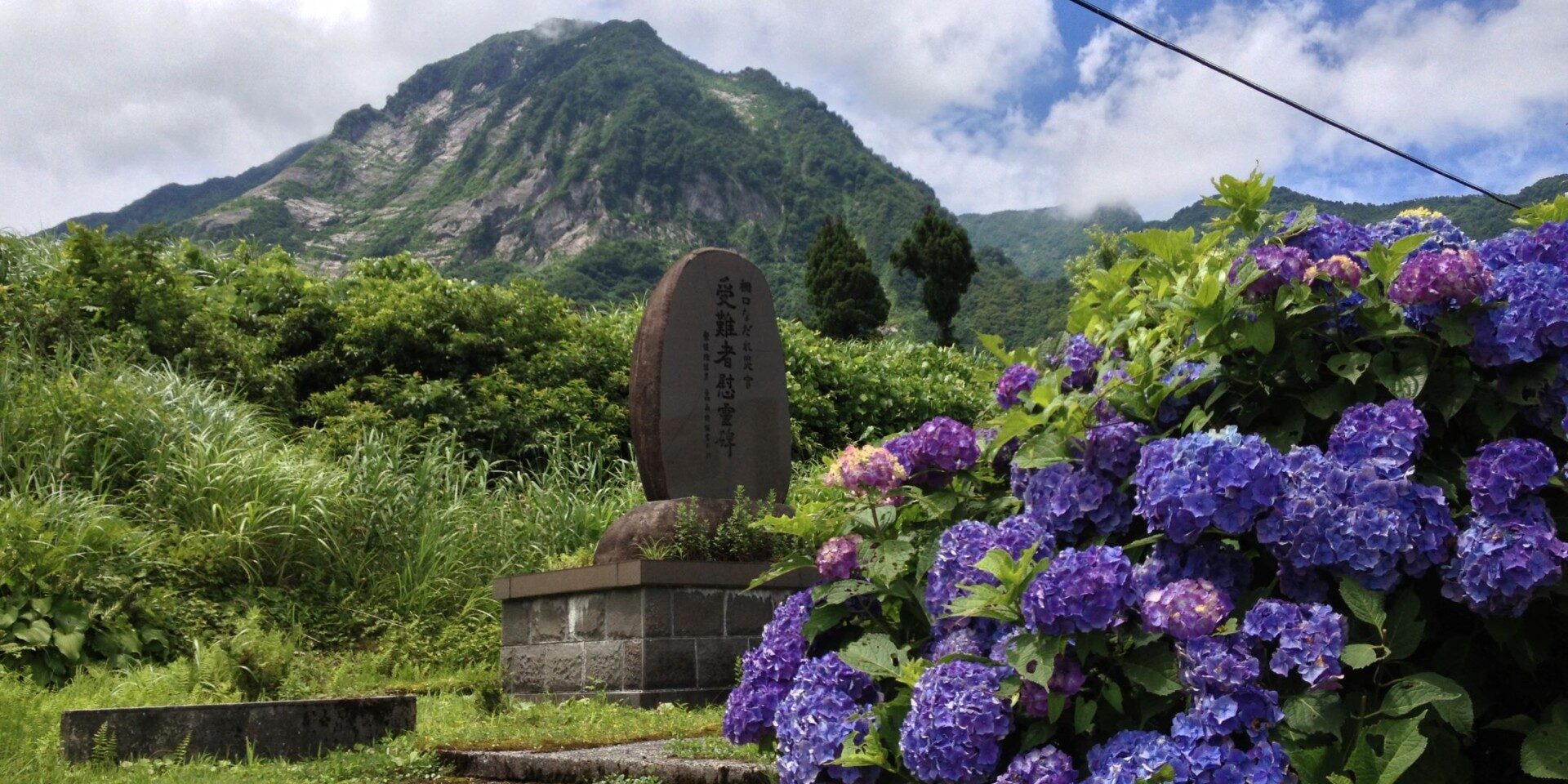
The Earth provides us with an abundance of blessing, but it can also be a source of serious calamities including natural hazards such as earthquakes and volcanic eruptions.
Our home, Japan, is one of the world’s most seismically active countries, and our ancestors have coexisted with nature, enjoying its gifts and overcoming its dangers since before recorded history.
The landscapes, ecosystems, human cultures and ways of life we enjoy today have all been built upon the ongoing processes that continue to shape our living, changing Earth.
To protect ourselves, whether from tsunamis, typhoons, landslides, earthquakes, volcanoes or floods, it is essential to understand the natural mechanisms that cause these disasters, to regularly check hazard maps and evacuation routes, and to remain vigilant through daily preparedness and disaster education.
Resilience Education
Elementary and junior high schools throughout Itoigawa City implement “Geopark Learning” as part of the regular curriculum with the aim of providing “Japan's richest hands-on learning experiences.” Geopark staff including curators from the Fossa Magna Museum, along with specialists of various fields from partnering institutions, assist educators in both the classroom and field. Through this program, students learn not only about geology, but also about their community, its natural environment, culture and history.
Each autumn, students from schools throughout Itoigawa gather for the Itoigawa Geopark Learning Exchange Meeting to present on what they have studied in the Geopark that year. This event provides an opportunity for students to share what they have learned, reflect on their experiences, and learn from one another.
An important part of the Geopark Learning Program is the promotion of community-based disaster resilience. For example, schools located near the foot of Mt. Niigata-Yakeyama focus on volcanic mechanisms and hazards, while students in coastal areas study the relationship between earthquakes and tsunamis. Connecting disaster resilience education with their community helps students develop practical knowledge and awareness with real applications.