Ancient History & Culture
Itoigawa's location and geological heritage has always made it a valuable and attractive place to live.
The history of our city is counted in millennia, stretching back to time immemorial.
The Jade Princess - Nunakawa-hime
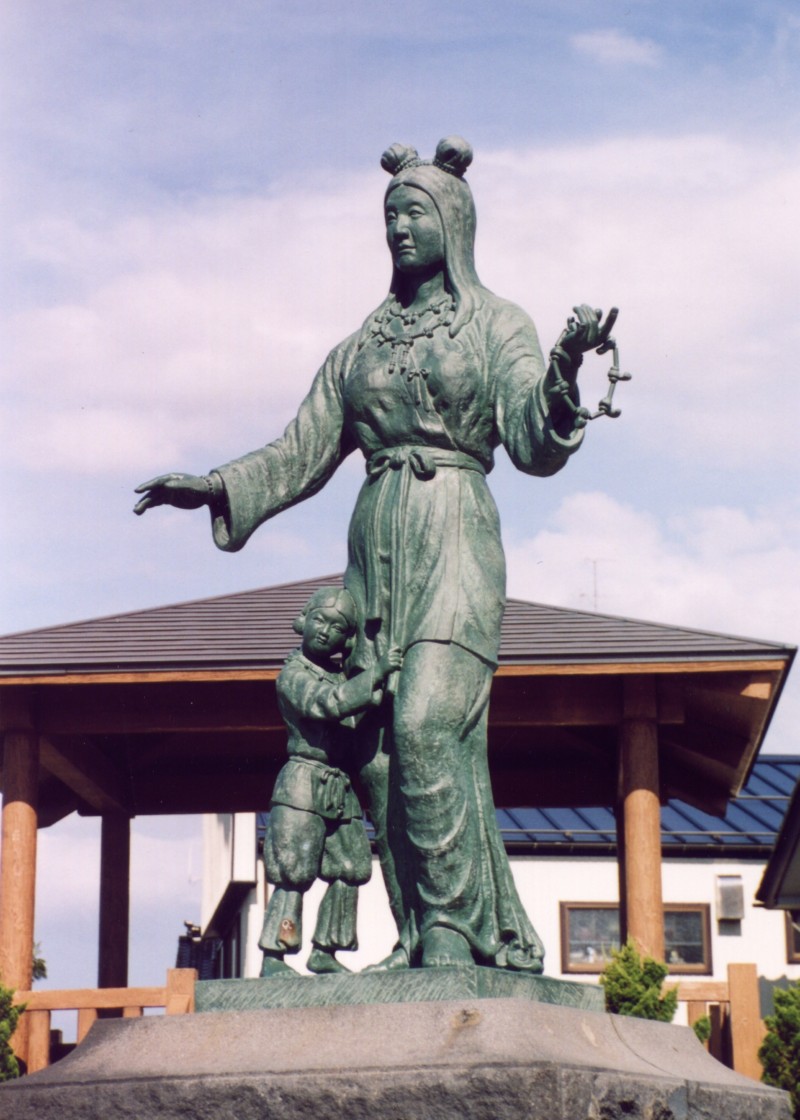
Princess Nunakawa and Her Son, Takeminakata
Cradle of Jade Culture
Today, Itoigawa is most famously known as Japan's largest source of gemstone quality jade. While jade was rediscovered in Itoigawa in 1938, ancient knowledge of Itoigawa's jade dates back thousands of years to Japan's prehistoric Jomon period.
In ancient times, the land we now call Itoigawa was called Nunakawa and it was from here that the wise and beautiful Princess Nunakawa ruled. Legends say she controlled jade, using its power to protect her people.
These legends traveled across land and sea to the distant land of Izumo and its ruler Ōkuninushi-no-Mikoto. As the most powerful and de facto leader of the kami, Ōkuninushi decided he must have this Princess as his bride and so the story of his journey across the country to claim Princess Nunakawa―and her jade―is recorded in folklore and legend and even appears in the Kojiki, Japan's oldest written record and one of Shinto's most sacred texts.
Many sites around Itoigawa Geopark are related to this legend. Nageiwa in the Oyashirazu Area is said to be where Ōkuninushi defeated a local ogre in a contest of strength. Mt. Komagatake in the Umidani Gorge Area is also connected to a contest between Ōkuninushi and a local deity. A large, unusually shaped boulder near the base of Mt. Shindō in the Shindōsan Area is venerated as the place where Princess Nunakawa was born.
An Ancient Road along a Massive Fault
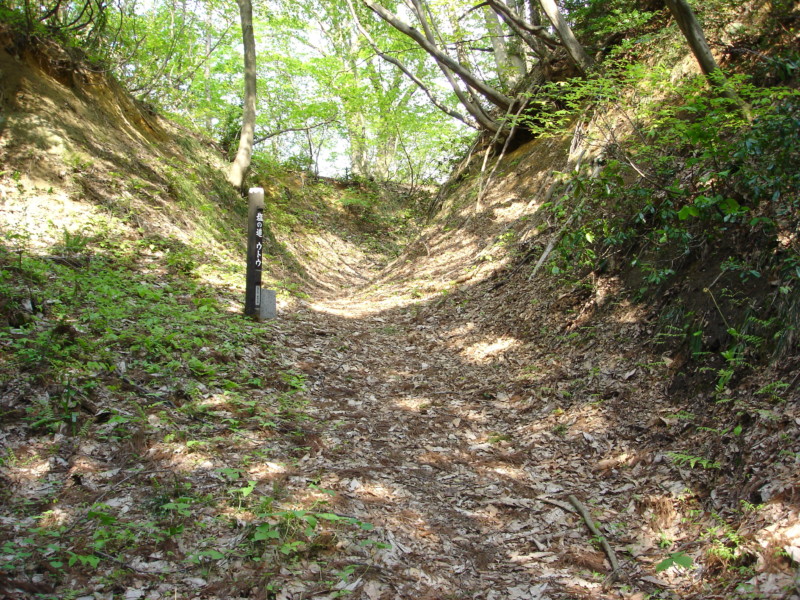
Utou are U-shaped Cuts Characteristic of the Old Matsumoto Road
Linking Inland Provinces to the Sea
The local people have long used the lowlands which developed along the Itoigawa-Shizuoka Tectonic Line as an important trading route. Archaeological evidence suggests that our prehistoric ancestors traded jade beads and stone axes for obsidian along this route.
In Japan's Feudal Period, this route began to develop into the Matsumoto Road, also called the Salt Trail, a vital lifeline which supplied the inland provinces with salt, fish and other marine produce. Itoigawa flourished as a shukubamachi, a staging post town with inns, restaurants and merchants where travelers could rest and resupply.
As people mixed and culture's mingled, Itoigawa's unique culture and traditions began to take shape.
Itoigawa: Where East Meets West
The Itoigawa-Shizuoka Tectonic Line splits Japan between two continental plates.
The rugged terrain along this massive fault has caused Japan to also split into Eastern and Western Cultures with a variety of differences.
Western Japan
| Rice Cake Shape | Round |
| New Year's Fish | Amberjack |
| Broth Flavor | Kelp |
| Soy Sauce | Light & salty |
| Tatami Mat Size | Kyōma (191cm×95.5cm) |
| Mains Electricity | 60 Hz |
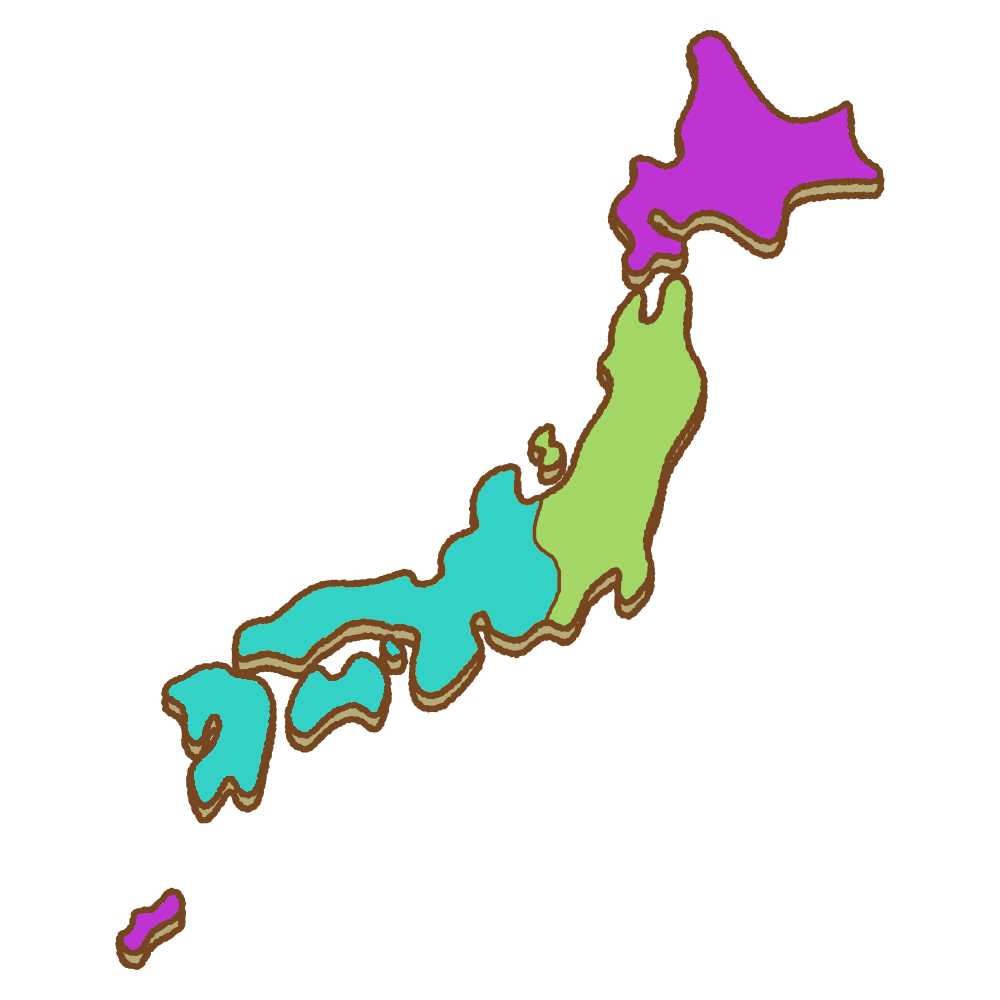
(Hokkaido and Okinawa have different cultures of their own)
Eastern Japan
| Rice Cake Shape | Square |
| New Year's Fish | Salmon |
| Broth Flavor | Skipjack tuna |
| Soy Sauce | Dark & rich |
| Tatami Mat Size | Edoma (176cm×88cm) |
| Mains Electricity | 50 Hz |
Western Japan |
Eastern Japan |
|
|---|---|---|
| Rice Cake Shape | Round | Rectangular |
| New Year's Fish | Amberjack | Salmon |
| Broth Flavor | Kelp | Skipjack tuna |
| Soy Sauce | Light & salty | Dark & rich |
| Tatami Mat Size | Kyōma (191cm×95.5cm) | Edoma (176cm×88cm) |
| Mains Electricity | 60 Hz | 50 Hz |