Renge Area
Volcanic Fumaroles and Glacial Wetlands
The Renge Geosite is located in the northernmost part of the Chubu Sangaku National Park. It was here in 1902 where Professor Naokata Yamasaki of Tokyo University confirmed the first example of glacial topography in the country. In the region are several examples of glacial wetlands as well as ponds. Heimanotaira Marsh, created as a result of glacial activity, features a dazzling display of alpine flowers which come into bloom starting in early summer and continuing through autumn.
Another feature of the area is the asymmetric mountain ridges formed by large-scale collapses. These collapses continue to shape the topography of the region today, even as recently as 2007, when the peak of Mt. Korenge collapsed forming a large, new ridge and causing the mountain to lose 3 meters in height. You can enjoy the beautiful, rugged landscapes formed by these collapses while relaxing in the hot spring baths of Renge Onsen, located in the middle of a region of intense fumarolic activity.
Along a mountain trail leading to the peak of nearby Mt. Shirouma, the remains of the Renge Mine's offices, smelting furnaces, and tunnel entrances can be seen. A silver and lead mine, Renge Mine operated from the 1840s until the 1920s. In 1894, Rev. Walter Weston stopped by this mine while climbing the trail up Mt. Shirouma. Rev. Weston noted in his travel journals that the miners there asked him questions about the quality of the minerals in the area.
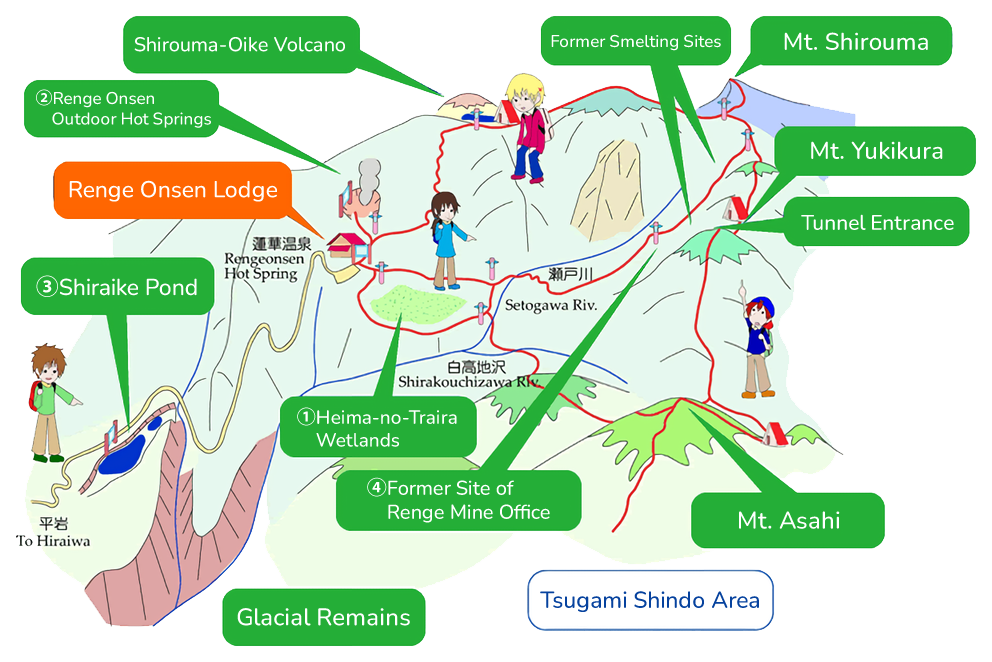
1Heima-no-Traira Wetlands
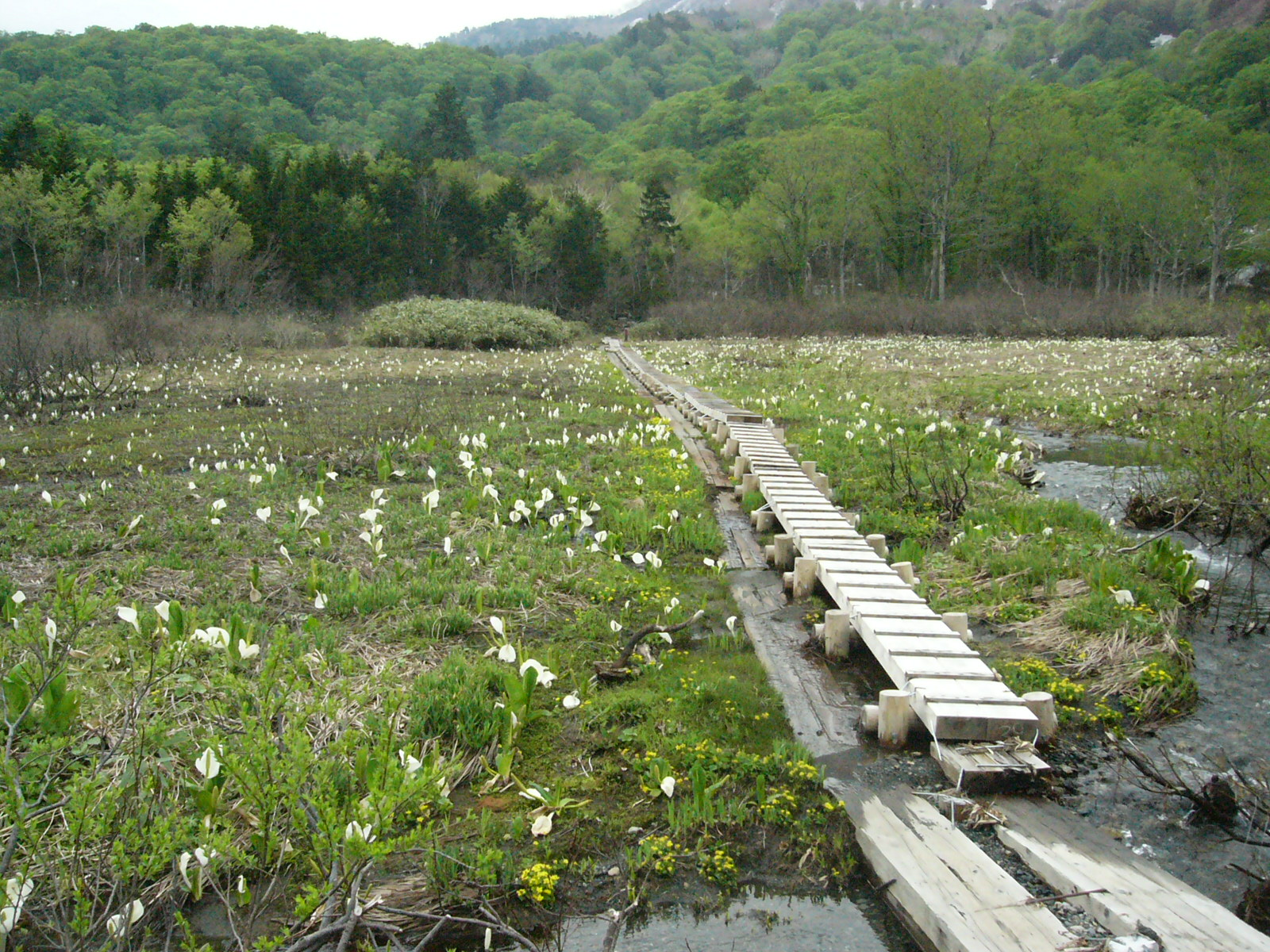
Renge Nature Trail - Heima-no-Traira Wetlands
Located just west of Renge Onsen Hot Springs, this marshland becomes awash with color from early summer through autumn when its many native alpine plants come into bloom.
Sand and debris intrusion from the surrounding mountains threaten this marsh, which is becoming smaller and shallower over time.
2Renge Onsen Outdoor Hot Springs
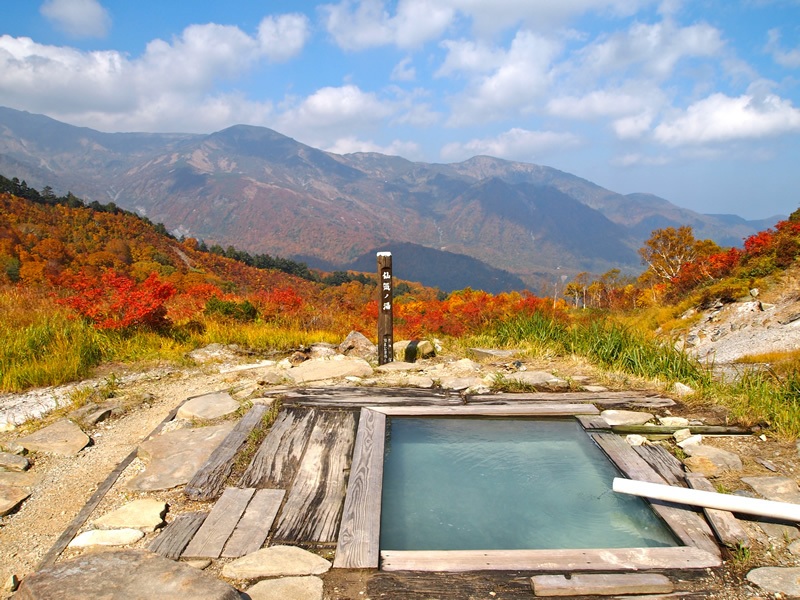
Outdoor Bath - Senki-no-yu
Renge Onsen Lodge boasts five different baths: one indoor and four outdoor. However, unlike many other hot springs baths, these outdoor baths are truly outdoor, without walls or barriers of any kind.
About 15 minutes from the lodge, the hiking trail enters a fumarolic field in which steam billows from the earth. Scattered about here are four baths, roughly at a height of 1550 meters, offering an unparalleled experience as you bathe not only in hot spring water, but in the majesty of the Northern Alps.
The baths here are mixed bathing. Please pay at the lodge before entering.
3Shiraike Pond
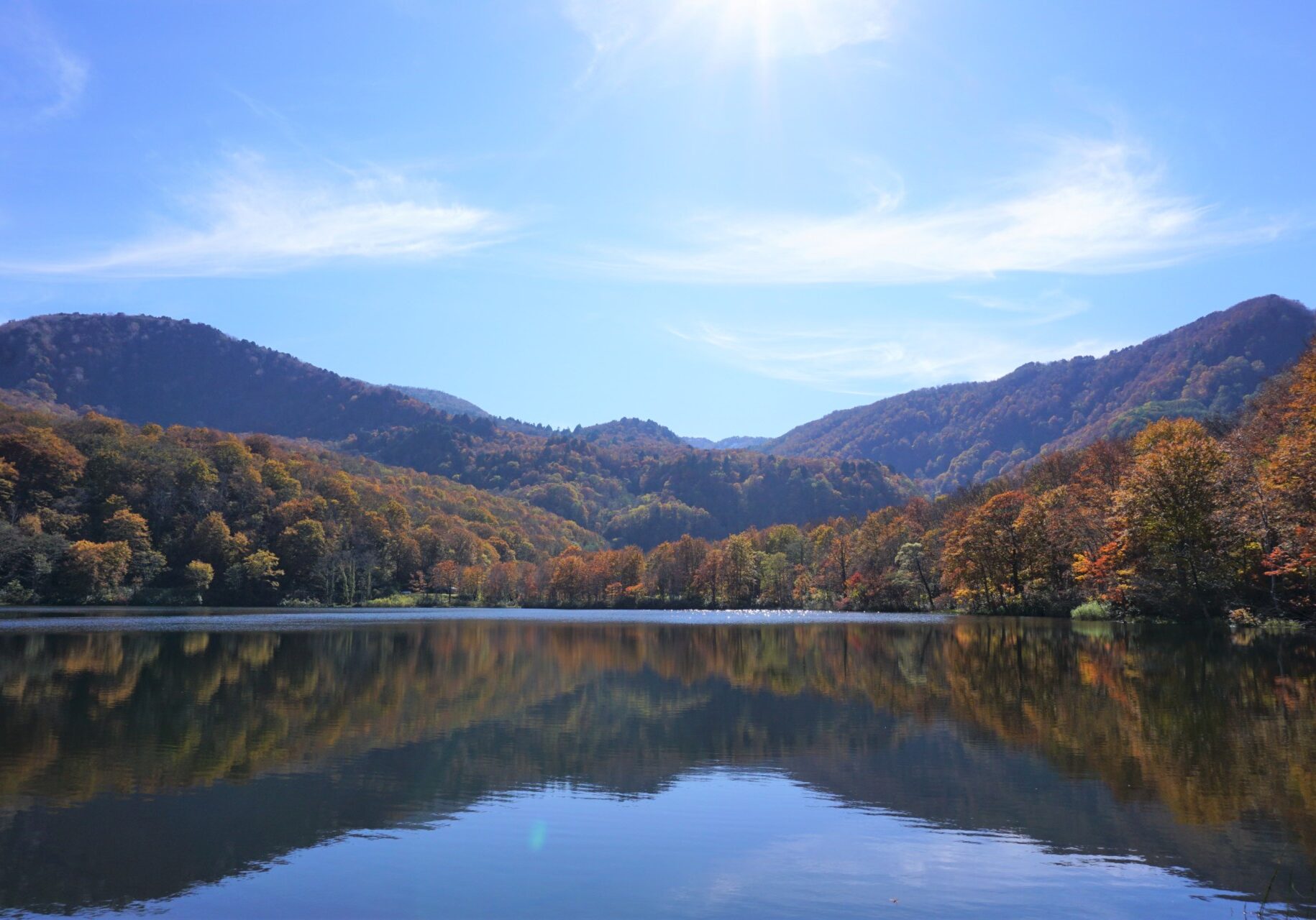
This 112,000 sq. meter pond, found at about 1,090 m above sea level, formed in a basin created by lava flow off nearby Shirouma-Oike Volcano. It is only about 5 m deep at its deepest, but its water is exceptionally clear. The reflection of the mountains in Shiraike Pond is particularly stunning.
4Remains of Renge Mine
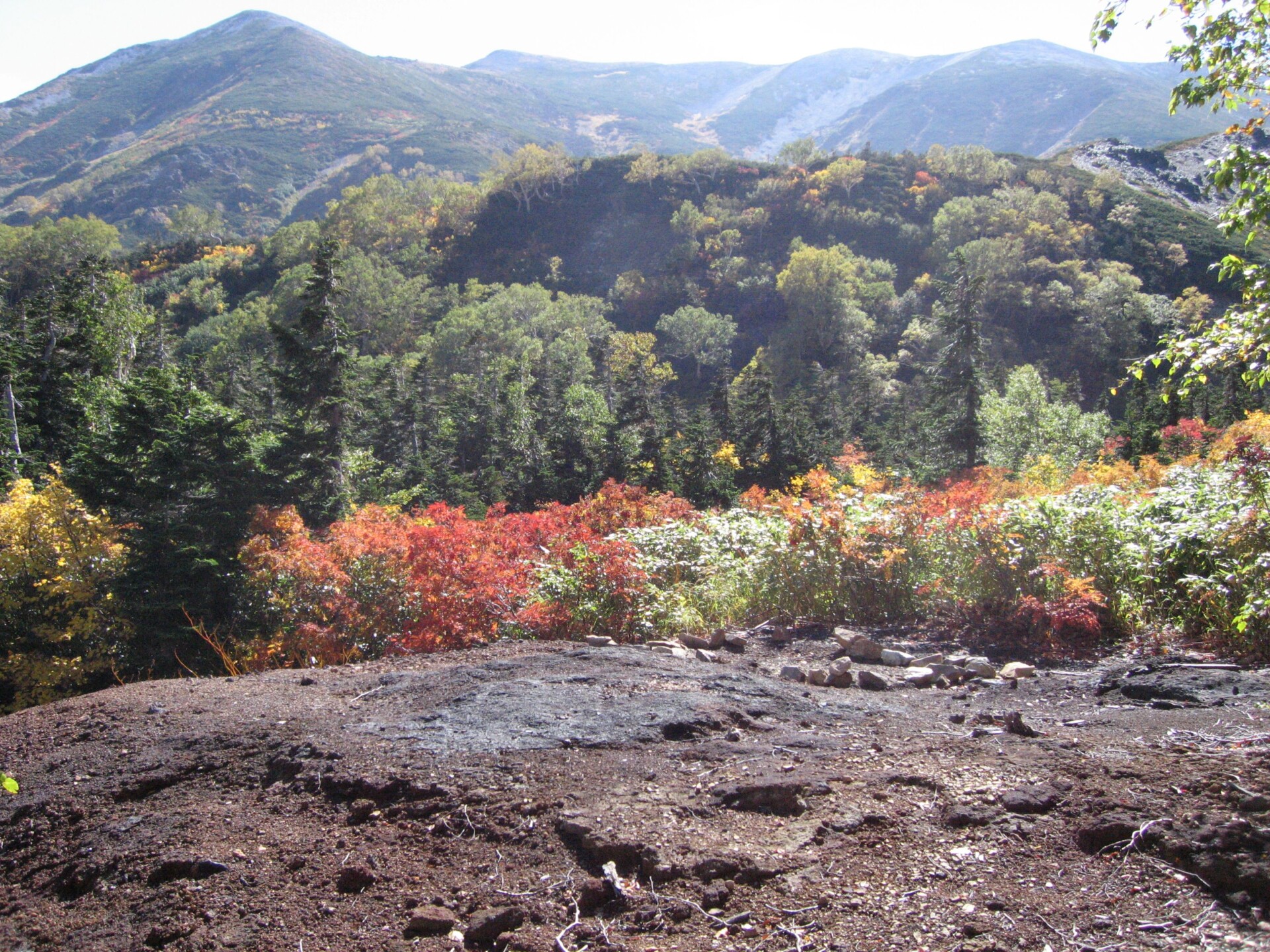
Former Smelting Sites
The remains of Renge Mine, which operated from the Edo Period until the Taisho Period, can still be seen today, including the foundations of the smelters, the mine office, and the mine tunnel entrance. Mountaineer Rev. Walter Weston, one of the first to bring modern mountaineering to Japan, visited Renge Mine in 1894 during his trek across the Japanese Alps. He wrote about this visit in his book “Mountaineering and Exploration in the Japanese Alps.”
5Renge Onsen Lodge
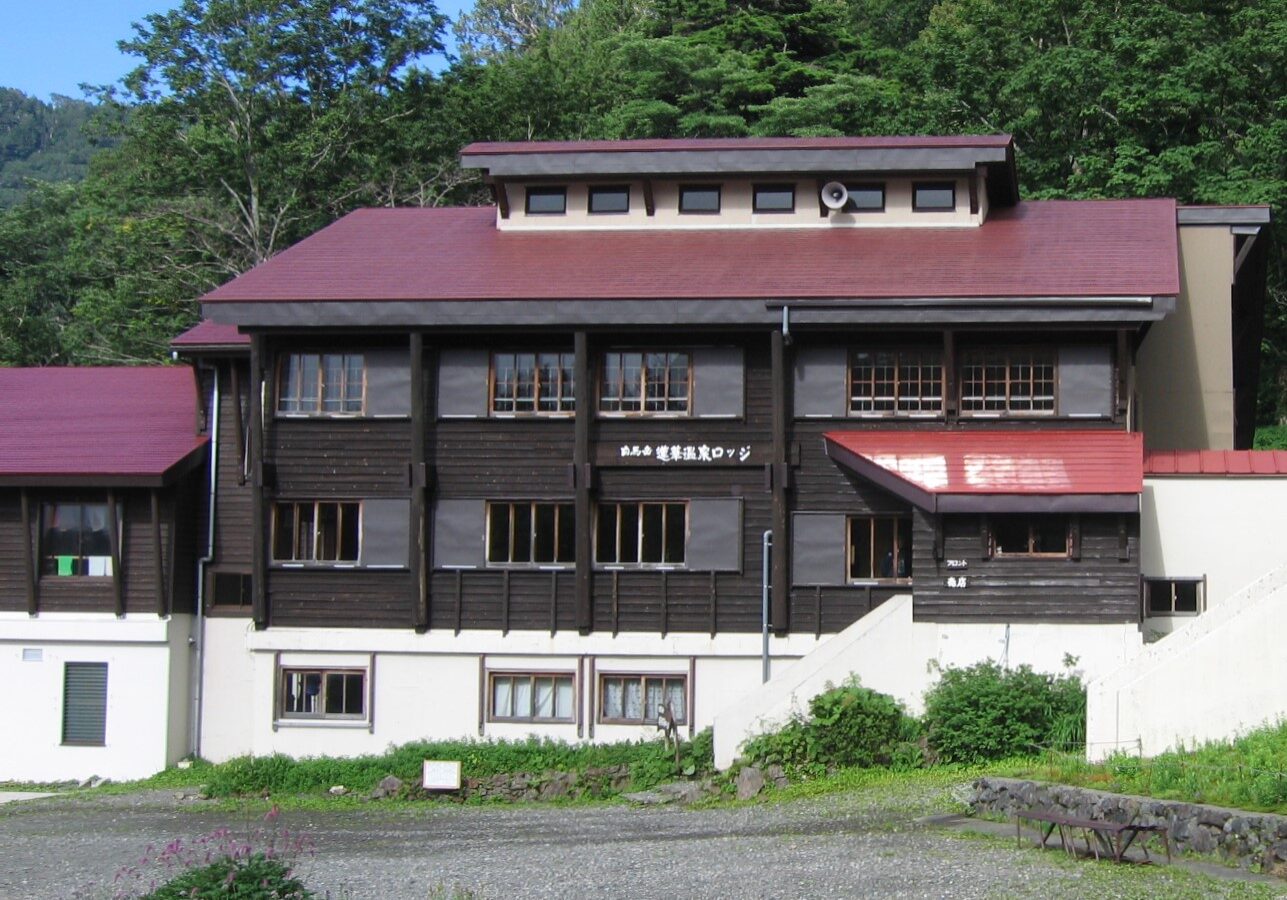
Located above the clouds at 1,500 m above sea level, the hot spring baths of Renge Onsen have been enjoyed for centuries. Enjoy majestic panoramas of the Northern Alps while soaking in natural hot spring waters. Pay at Renge Onsen Lodge before using the baths. Outdoor baths are mixed bathing.
Renge Nature Trail
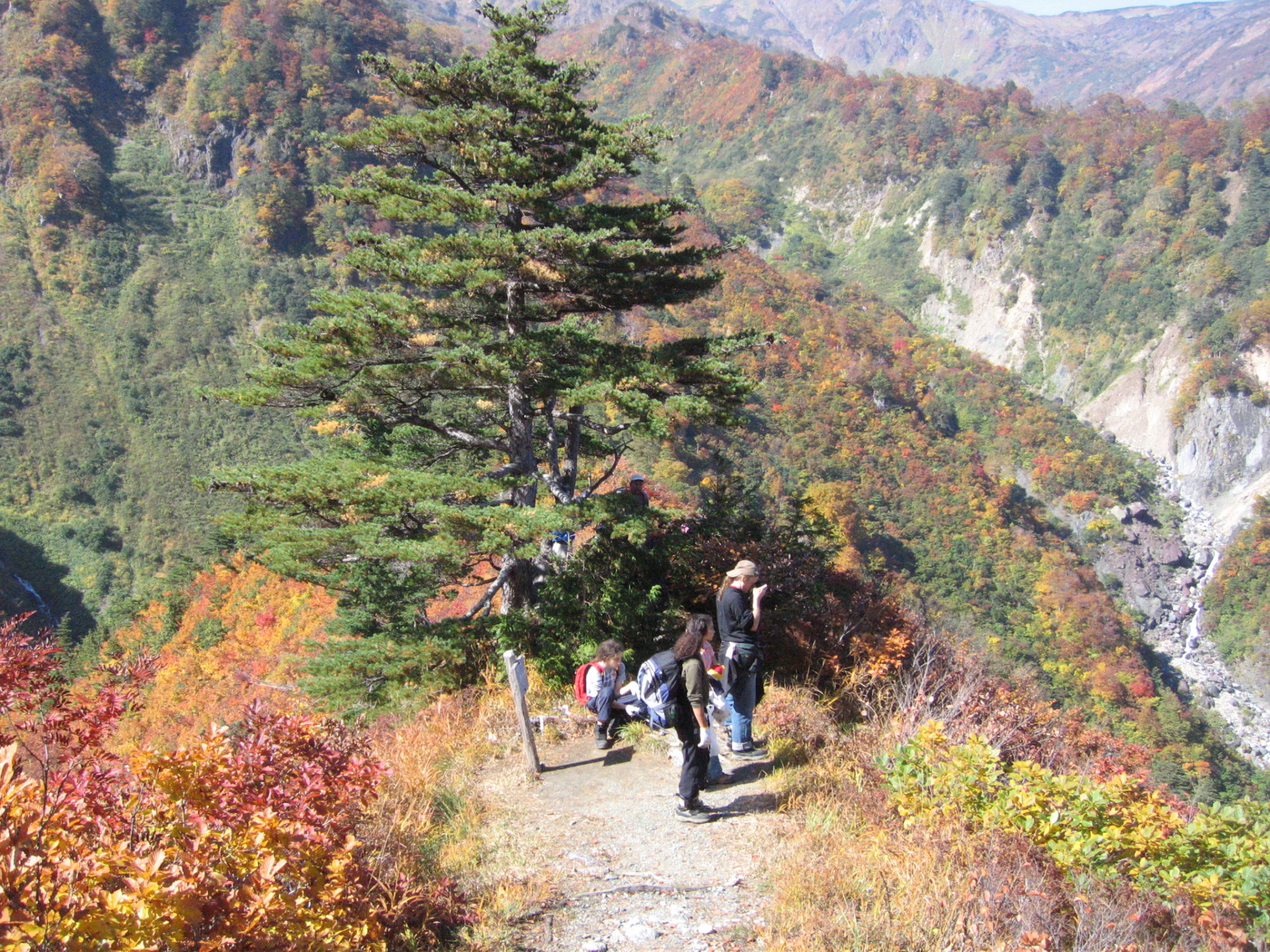
he Renge Nature Trail circles around Heima-no-taira Marsh and includes many sections of boardwalk. It is a very long course if completely walked, so light hiking equipment is recommended.
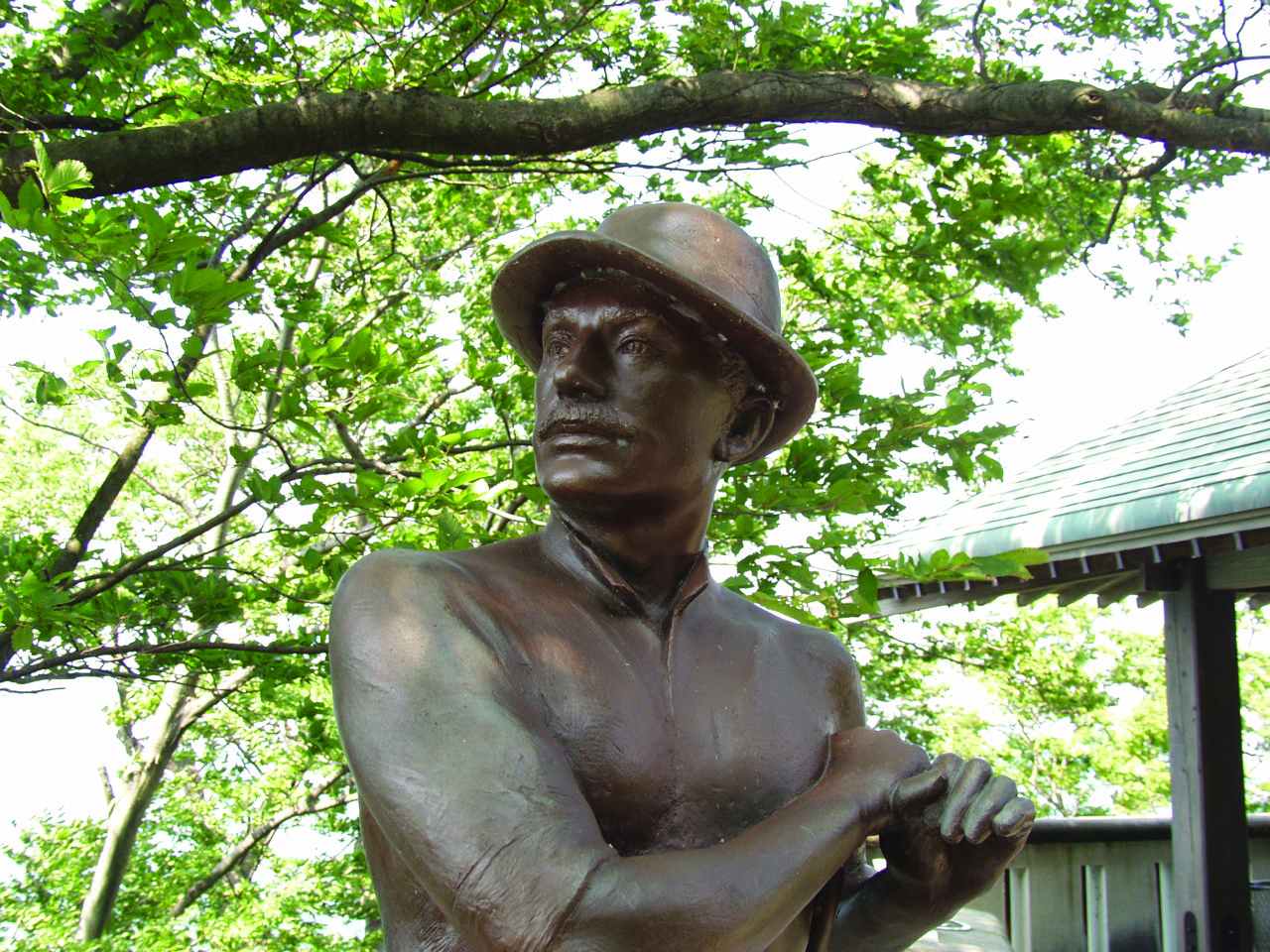
Statue of Rev. Walter Weston
An English clergyman and mountain climbing enthusiast, he is called "the father of modern Japanese mountaineering" for his extensive mountaineering exploits in Japan during the late 19th and early 20th century.
Rev. Walter Weston
Area Access & Closures
【Renge Road (Hiwa-daira to Renge Onsen】Opened for 2026 Season on July 3
【Shiraike Forest Road (Kijiya to Hiwa-daira】Opened for the 2026 Season in Mid June

Friend Area Special
Mt. Shirouma - Renge Hot Springs Lodge

