Shindosan Area
Submarine Volcanoes and Traditional Farmland Scenery
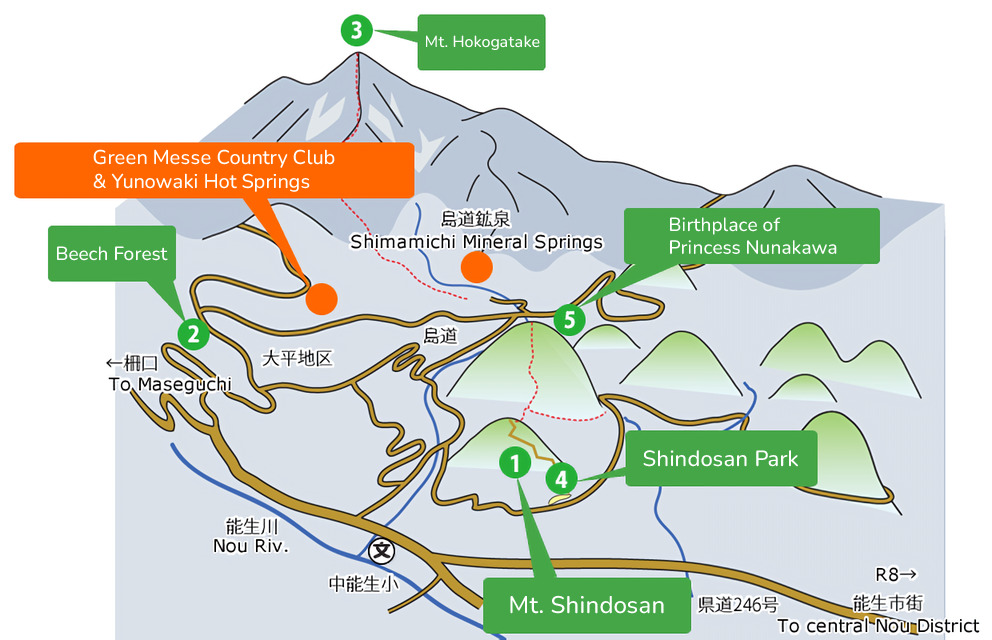
The Shindosan Geosite is characterized by numerous small (500m) triangular mountains shaped somewhat like rice balls. These were formed about 1 million years ago by submarine volcanic activity, while the terraced rice fields at their base sit atop landslides which occurred at the bottom of the Fossa Magna Sea. Further inland, Mt. Hokogatake rises up 1316 meters. Its peak retains snow well into spring, ensuring a bountiful supply of groundwater throughout the year, both for the villages and for the beech forests and mixed groves in the area.
The layout of the villages seen here, with houses built up against the mountains and woodlands reserving the lower plains for agriculture, is called satoyama and was once the predominant scenery in rural Japan. In Shimamichi, an outcrop of unusually-shaped volcanic breccia is said in legend to be the birthplace of the goddess Princess Nunakawa and as such is revered as an object of worship. On nearby Mt. Shindosan, you can challenge yourself to climb over one thousand stone steps from the foot to the summit. The name Shindo means roughly 'path of the gods.' This path is said to have been walked by Princess Nunakawa and her suitor, the god Okuninushi-no-mikoto.
Come here and stroll amongst these simple scenes of the Japanese countryside. If you like, make sure to stop by the local hot springs or sneak in a round or two of golf at Green Messe Nou.
1The 1,088 Stone Steps of Mt. Shindosan
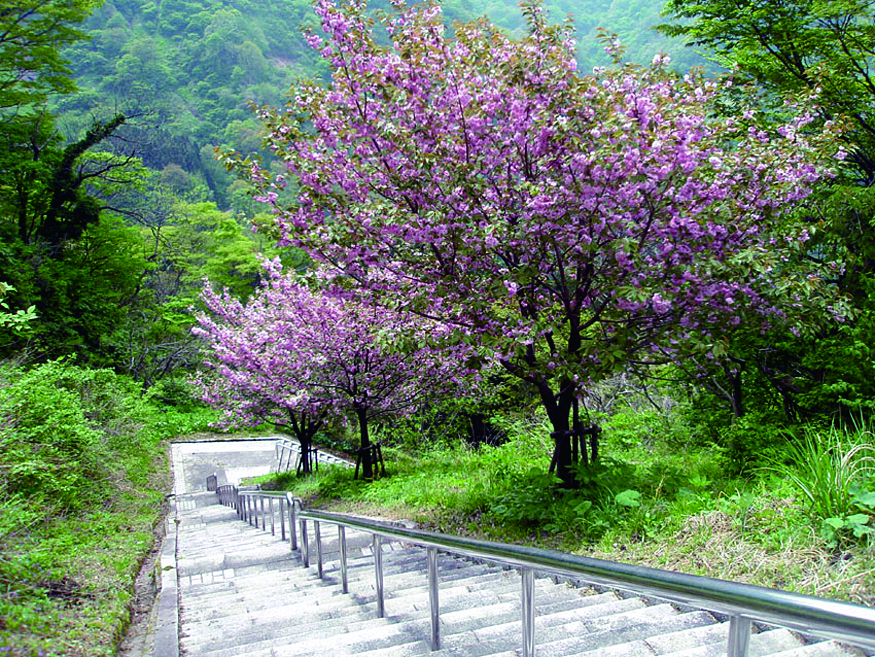
Mt. Shindosan’s name literally means “Path of the Gods” in Japanese. The name comes from Princess Nunakawa and her husband Okuninushi-no-Mikoto who are said to have walked a path along this mountain in ancient times. It takes about 30 minutes to climb the 1,088 stone steps leading to the top of Mt. Shindosan (402 m). In the spring, dogtooth violets and other wildflowers bloom along the steps. At the top is a small park and memorial bell tower. Visitors are encouraged to ring the bell while praying for peace. At the base of the mountain is the impressive Ryūkōji Temple, built in the 16th century.
2Beech Forest
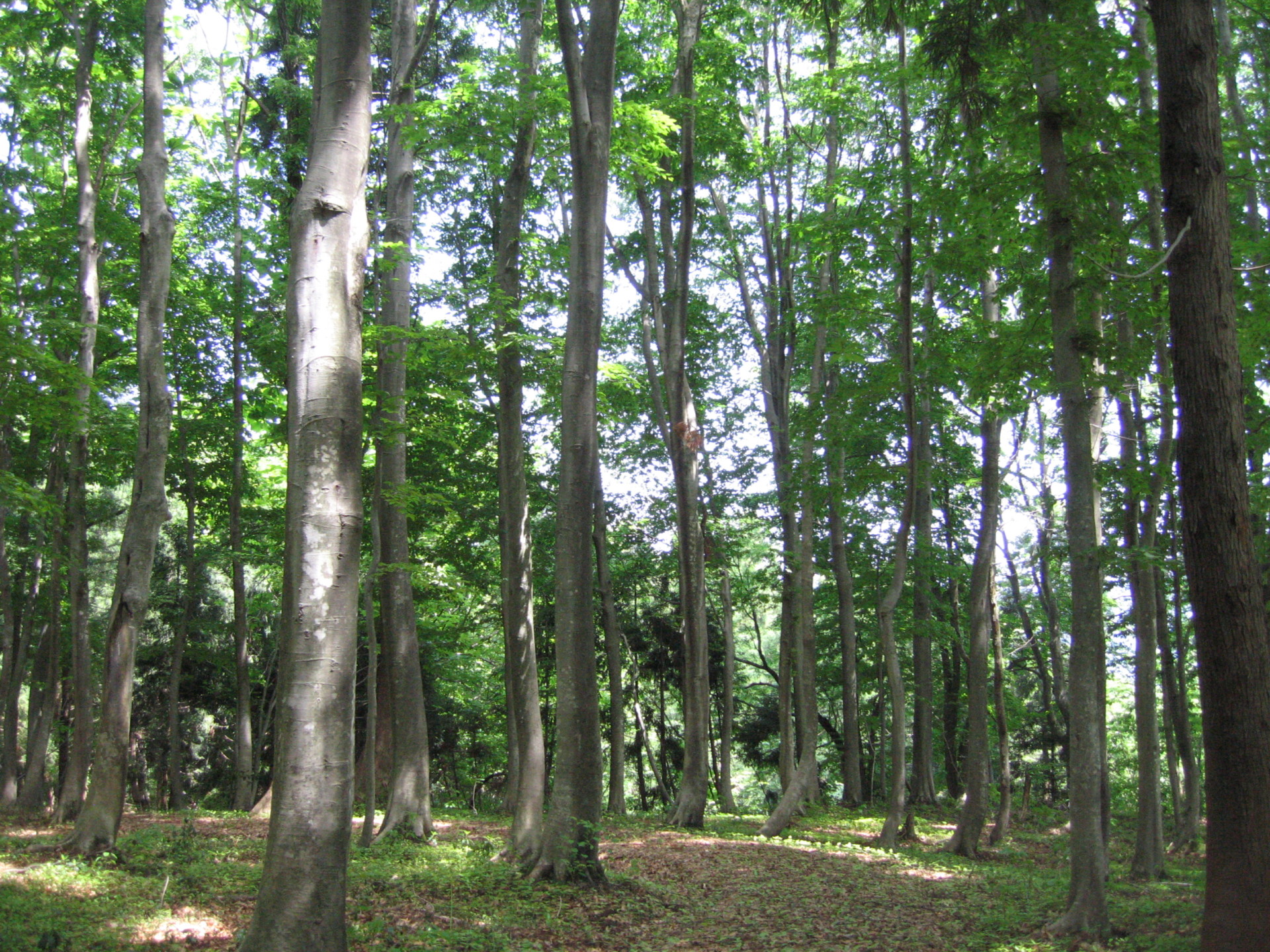
The ancient beech forests in the Shindosan area are remnants from the last ice age. Japanese beech forests like this one are usually found only at higher elevations, but because of the heavy snowfall, the beech forests here thrive even this close to the coast. The trees here have long been an important renewable source of firewood for the local communities.
The Japanese beech, or buna, is the City Tree of Itoigawa.
3Mt. Hokogatake
At only 1,316 m in height, Hokogatake is a relatively small mountain, but all three of its climbing trails cover over 1,000 m in elevation. Despite its low elevation, the summit commands a spectacular view of the Myoko Mountains to the south, the Nanba Mountains to the east, the Ushirotateyama Mountains to the west, and the Sea of Japan to the north.
4Shindosan Park
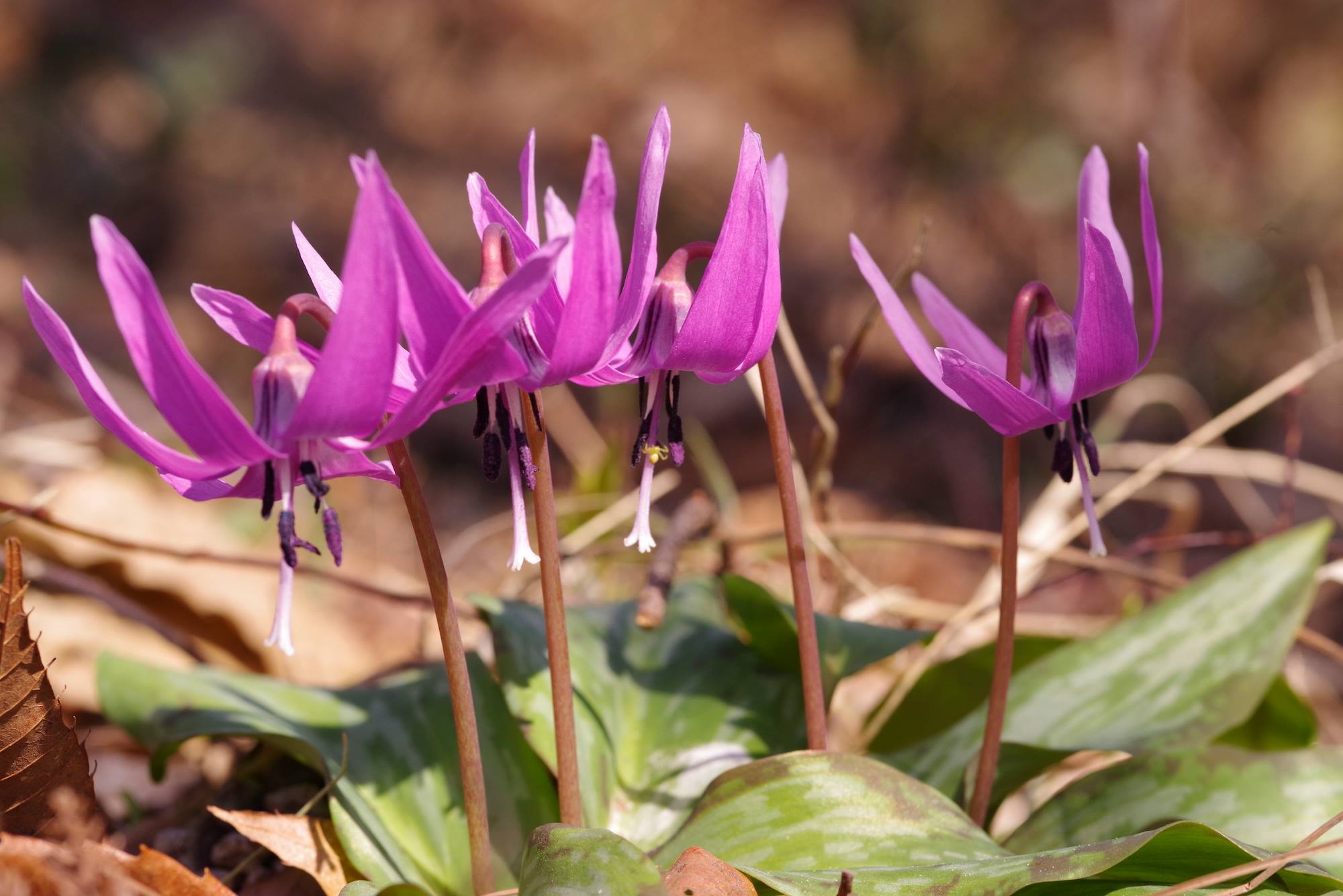
Dogtooth Violets
This recreational park features a variety of facilities for young and old alike including a miniature golf course, tennis court, and barbecue area. The nearby mountains are also home to natural colonies of dogtooth violets.
5Birthplace of Princess Nunakawa
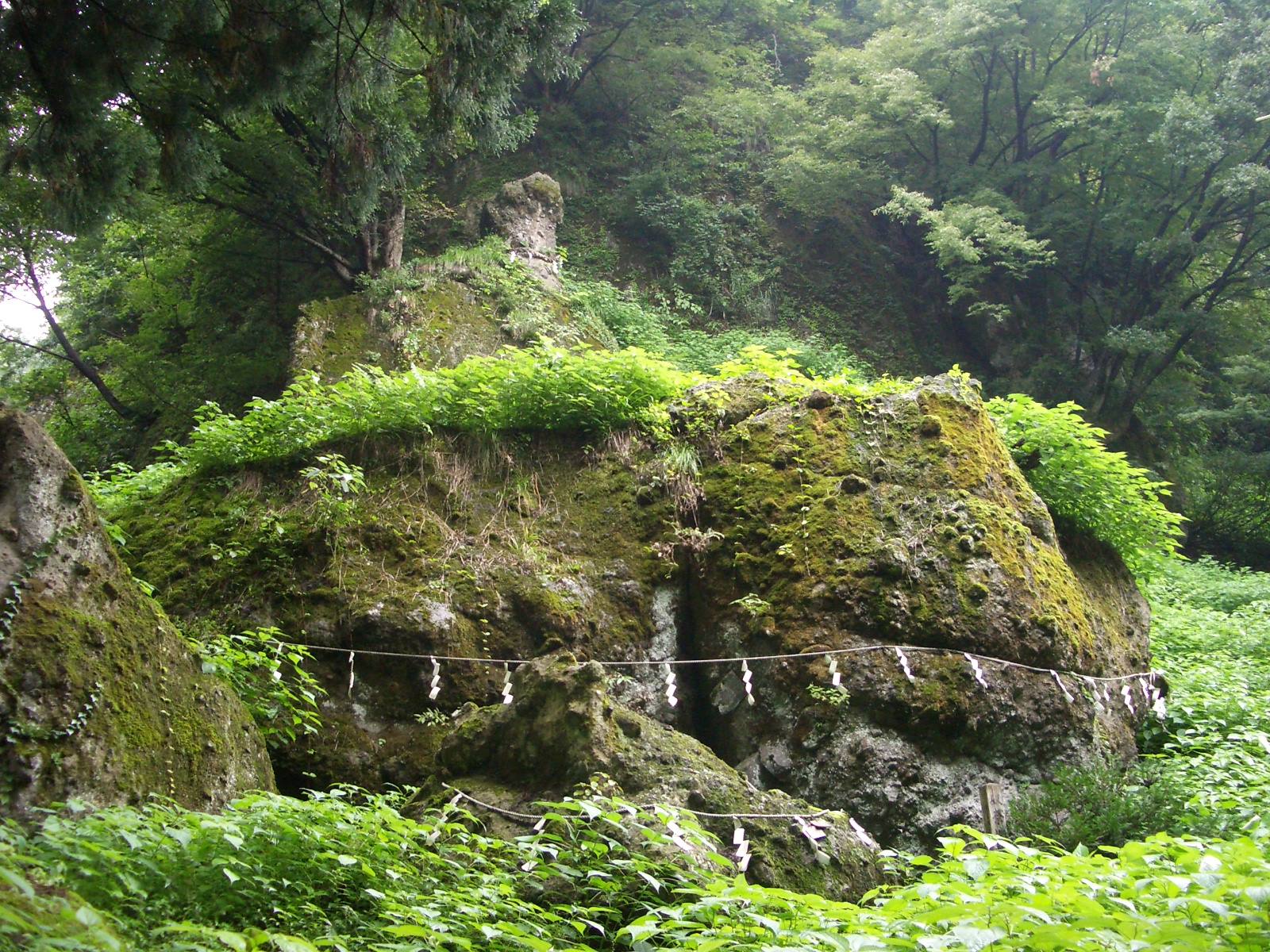
Birthplace of Princess Nunakawa
Hike a few minutes up the foothills above the Shinamichi District and you will come across a large, rugged boulder that is split down the middle. Geologically speaking, it is the same volcanic ash and rock that formed Mt. Shindosan, but according to legend, this is the rock from which Princess Nunakawa was born.
The crevice in the middle of the rock is decorated with sacred rope and used as a shrine by the local people. Those who pray here are said to be blessed with fertility and safe childbirth.
6Green Messe Country Club & Yunowaki Hot Springs
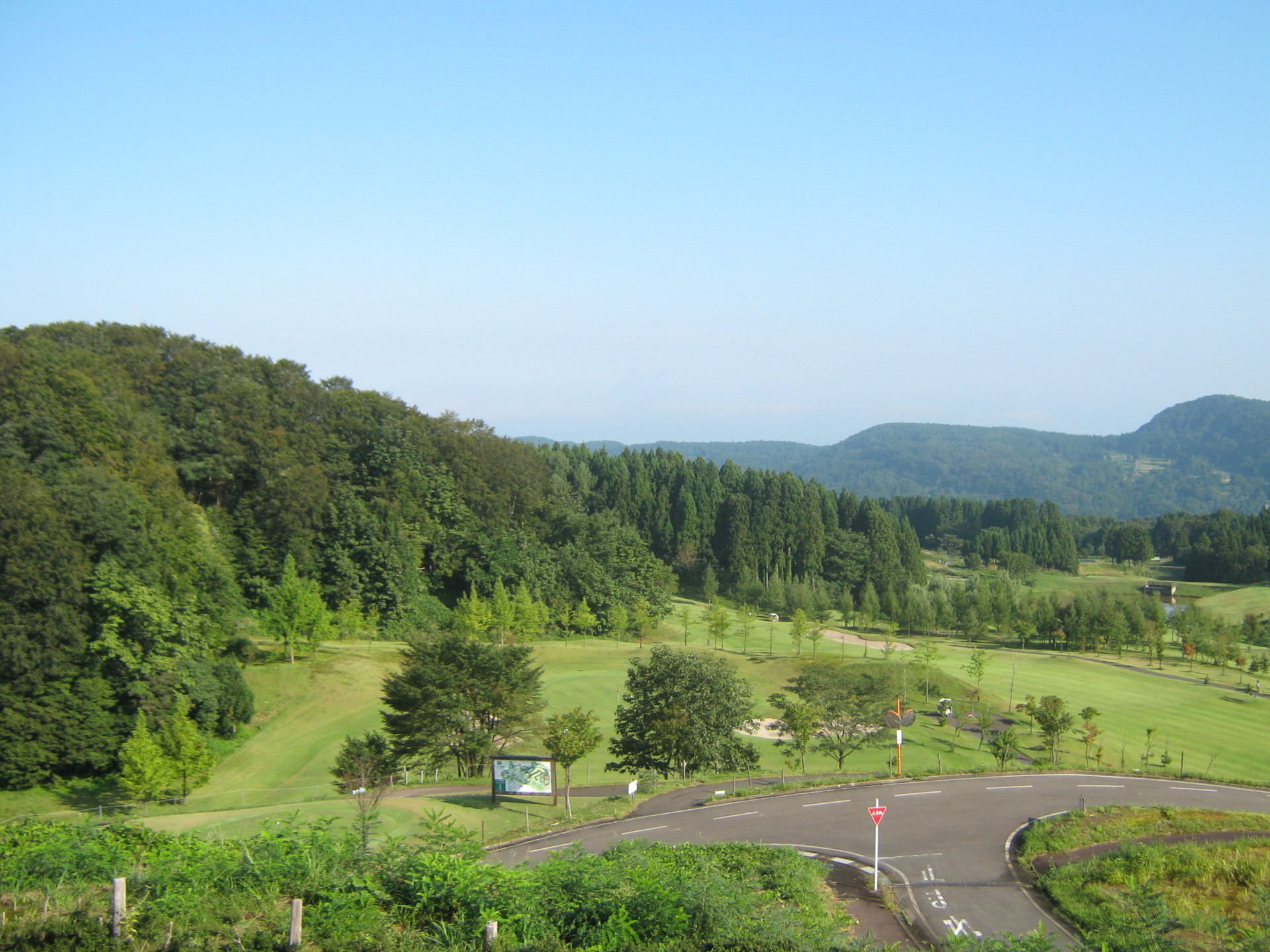
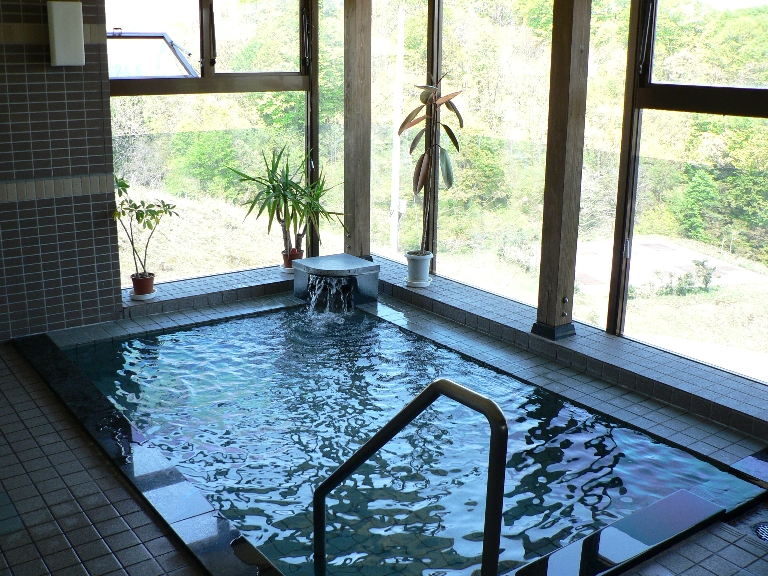
Take some time off during your visit to enjoy this beautiful golf course or just drop by the club house for a bite to eat and a relaxing soak in a natural hot spring bath. No membership needed.
Area Access & Closures
【Terayama-Taira Forest Road】Closed due to road collapse

Friend Area Special
unowaki Hot Springs - Yasuragi Hall


